Being a host in the spirit of the place you live in: A message from Josip Salacan that perhaps best describes Local Host

Photo: Kadulja Holiday Homes

Author  HrTourism Native

5. October 2026.

Perhaps the best description of what Local Host should represent doesn't have to be complicated.

"You live in Dalmatia. If you are a host in Dalmatia, act locally, in the spirit of the place where you live." - that's right Joseph Salacan, host Holiday homes Kadulja in Trpanj on Pelješac, at the end of our conversation he summarized the entire philosophy of his approach to guests. 

There is actually much more behind that simple sentence: not trying to make the accommodation something that does not belong in the space, but to allow the guest to experience for at least a few days the way of life that brought them to Dalmatia.

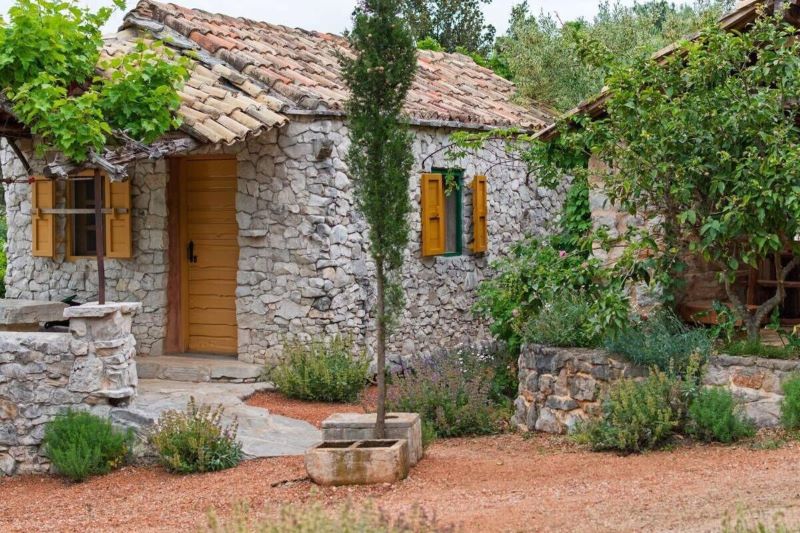
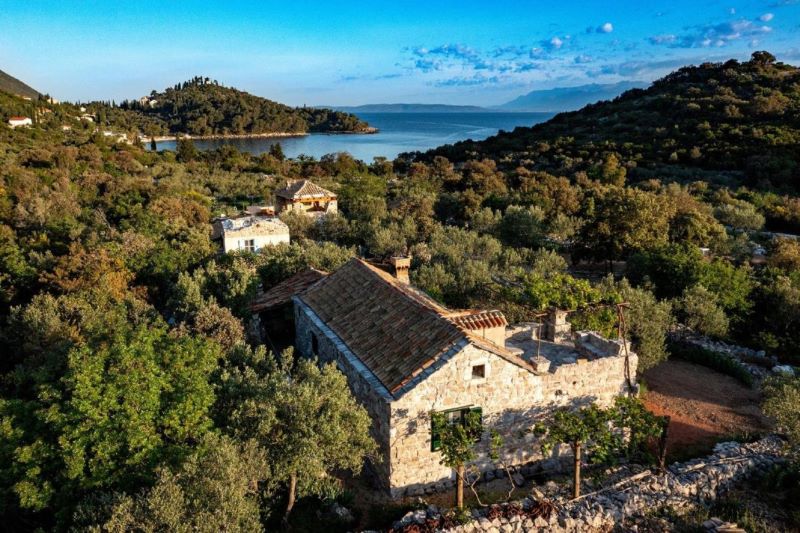
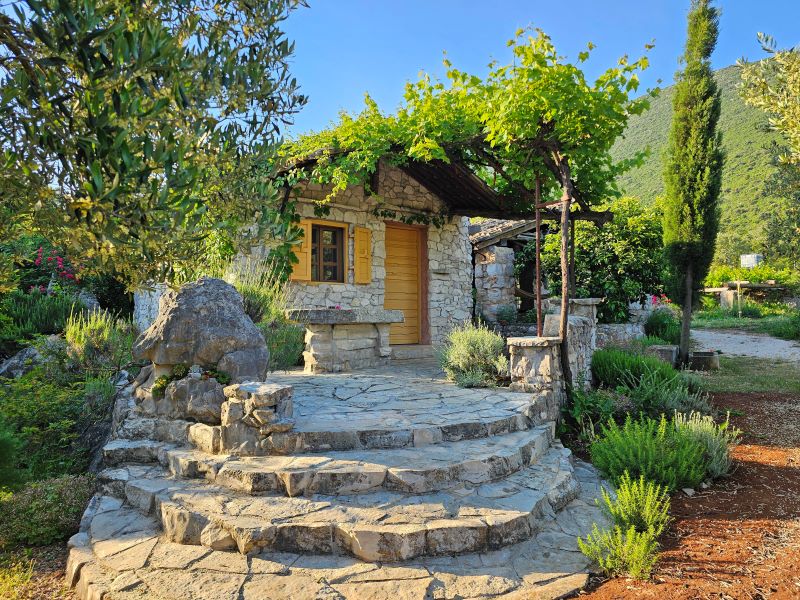
For the Salacans, this means a stone house integrated into the environment, a garden from which guests can pick seasonal vegetables and fruits, olives and olive oil, local fish, the sea just a few minutes' walk away, and, above all, a host who always welcomes the guest personally.

That's exactly why he applied for the Croatian Tourist Board's Local Host designation. The procedure, he says, was not complicated, in fact, it was unexpectedly simple for him because, as he points out, I recognized myself in the concept itself and how I have been working for years.
423066410 800

Cottagestrpanj 002

"I immediately saw that I met the requirements for Local Host, and I also recognized the opportunity in the tag to be more visible in the market as a host. The idea is great because we, small accommodation providers who personally welcome and host guests, are an important part of the whole story. In the end, it all depends on what kind of hosts we are, not just renters", says Salacan. 

This difference between host and renter is one of the fundamental ideas Local HostQuality accommodation is an expectation today, but the person who welcomes a guest, knows the area in which they live, and is willing to share a part of that life with them can become an important part of the experience of the destination itself. 

Each guest is personally welcomed

For Salacan, the relationship with the guest begins upon arrival. For him, a personal welcome is an integral part of the household.

"I personally greet almost all of my guests. We also have guests who have been coming back for years and already know the accommodation well, but they still want, and so do they, that personal contact. Personal contact with the guest is a key part of the way we work.”, points out Salacan.

How much this relationship will develop further depends, of course, on the guest. Some want more privacy and to explore Pelješac independently, while others expect conversation, interaction, recommendations and local knowledge from their hosts. According to Salacan's estimate, about 70 percent of guests are interested in such deeper communication, but everyone appreciates that personal first contact.

Local Host does not mean that the host must impose his own vacation program on the guest. The value is precisely in the fact that it is present when the guest needs it and that it can offer him something more than a list of information that he will find on the Internet.

And for the people of Salacan, that "more" starts just a few meters from home - in the garden.

He grows vegetables and other seasonal products primarily for his own family, according to biodynamic principles, but he also shares what ripens with his guests. "I grow seasonal produce in the garden and share it with my guests. I also explain to them what biodynamic principles are. Some people are very interested in it, some less so, it all depends on the person. But everyone appreciates home-grown food grown in the garden.", he says.

Depending on the season, there are tomatoes, zucchini and other vegetables, as well as grapes, figs, lemons, pomegranates and olives from which the family produces its own olive oil.

619305286 800

Cottagestrpanj 041

The garden is not a feature that was subsequently designed to give the accommodation another tourist activity. The soil, olives, local herbs and food are part of the space in which Salacan lives, and the guest simply gets the opportunity to participate in it.

He has a similar approach to food. "I don't try to organize a gastronomic program every day, but I treat each guest to a welcome dinner, sit with them and grill fish that I buy from local fishermen, and share with guests what we have at that moment from my garden."

When they are looking for something else, he directs them to local family farms, restaurants, wineries, and other producers.

This is where the value of the host is seen again.

Today, a guest can find almost all the information about a destination on their own, but the host knows the area and can tailor the recommendation to the person standing in front of them. And for Salacan, the destination does not end with the administrative border of Trpanj or Pelješac, but encompasses a wider area within a radius of about a hundred kilometers.

For guests who want to explore, he recommends wineries and restaurants on Pelješac, as well as Korčula, the Neretva Valley, Dubrovnik, and other attractions in the wider destination. Sometimes, it is a local recommendation that leads a guest to an experience they might not have sought out on their own.

One such recommendation provokes particularly interesting reactions. "I tell guests who want to explore the wider area that they can try frogs in Neretva. Some are immediately a little horrified - frogs, how are they going to eat that?, while others want to try it. This is all normal, everyone is different, has their own interests and preferences. It is important to get to know them through conversation in order to give them the best possible information about the destination and what they can experience.", says Salacan with a laugh. 

Cottagestrpanj 030

619305296 800

It is precisely such small details that often remain part of the memories of a trip. Not because the host has compiled a list of ten must-see attractions for the guest, but because they have given them the opportunity to try or see something that belongs to the place they are staying. 

At the Kadulja Holiday Home, the answer is pretty clear. The sea is a few minutes' walk away, the house is surrounded by a large garden, olive trees, sage, lavender and other Mediterranean herbs, and guests have access to a garden with seasonal vegetables. 

The accommodation itself was created precisely with the idea of ​​fitting into the Pelješac region, rather than creating a separate tourist world.

Yeah, this is Dalmatia.

Salacan didn't get the best explanation from a tourism expert, but from a guest.

"Recently, I had guests come for three days for the first time. When they arrived and looked around, the man just said: 'Aha, this is Dalmatia.' I don't need a bigger compliment than that."

Perhaps this sentence best explains what authenticity means when it ceases to be a marketing term. The guest didn't recognize a specific piece of furniture, a pool, or additional amenities - he recognized the space.

Local Host before it was called Local Host

619305279 800

Behind everything there is a much deeper story that shows that today's "Live in Dalmatia" is not a message created because of the Local Host label.

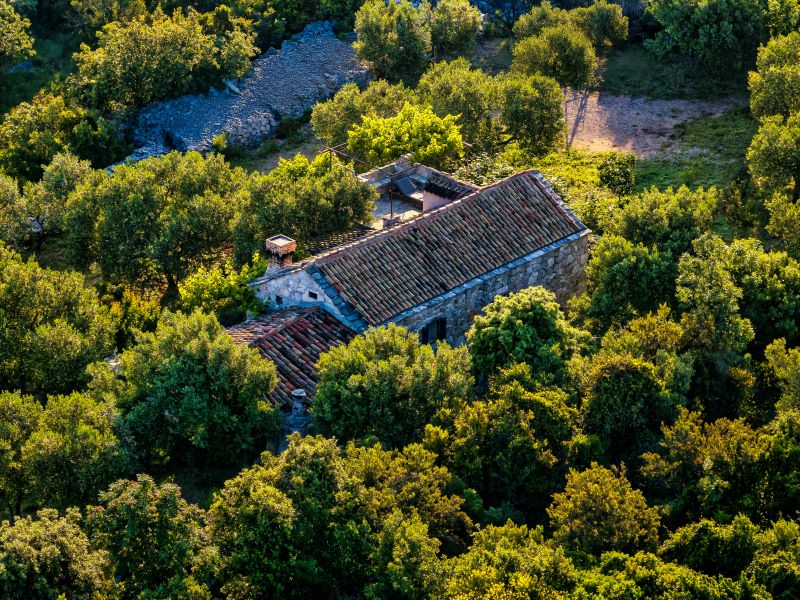
The story of Salacan's houses began much earlier. On the family land next to Luka Bay, where his ancestors grew olives and produced olive oil, the idea for the houses emerged back in 2001. Construction began a few years later, and he began receiving his first guests in 2014.

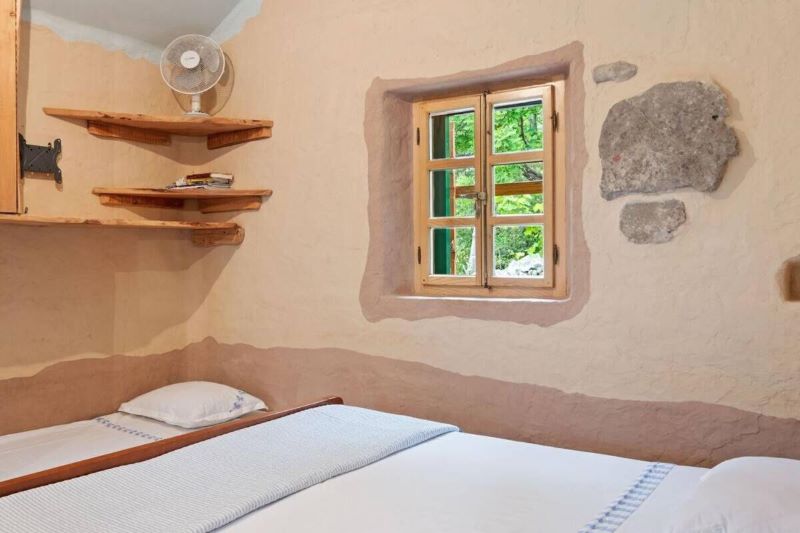
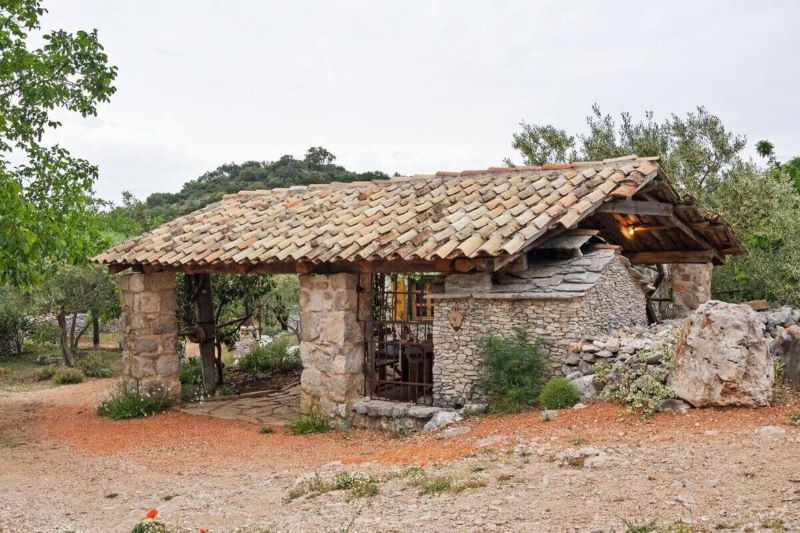
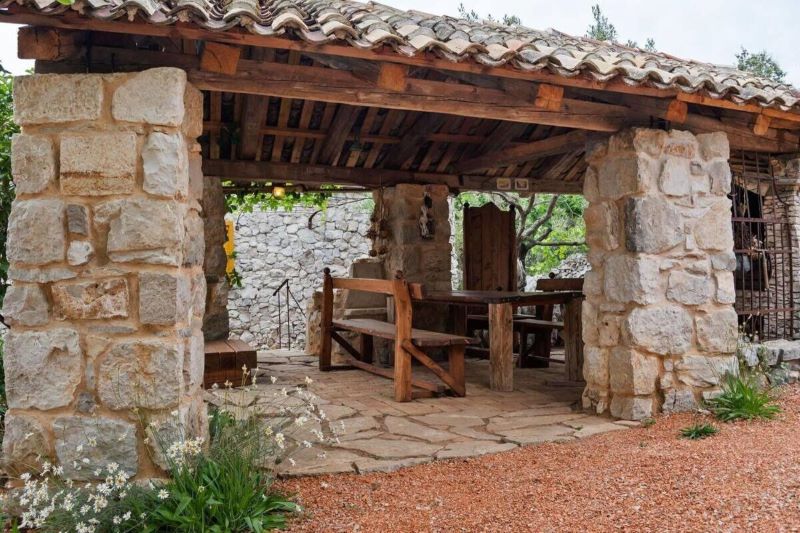
He built the two houses with his own hands over the years, together with his father. Salacan designed them himself, without an architect, and the stone, wood and details were not chosen to make the space look "Dalmatian" afterwards. The idea from the beginning was that the houses belong to the place in which they are located.

He described his logic very simply: “I looked at the environment and tried to make the houses fit completely into it."

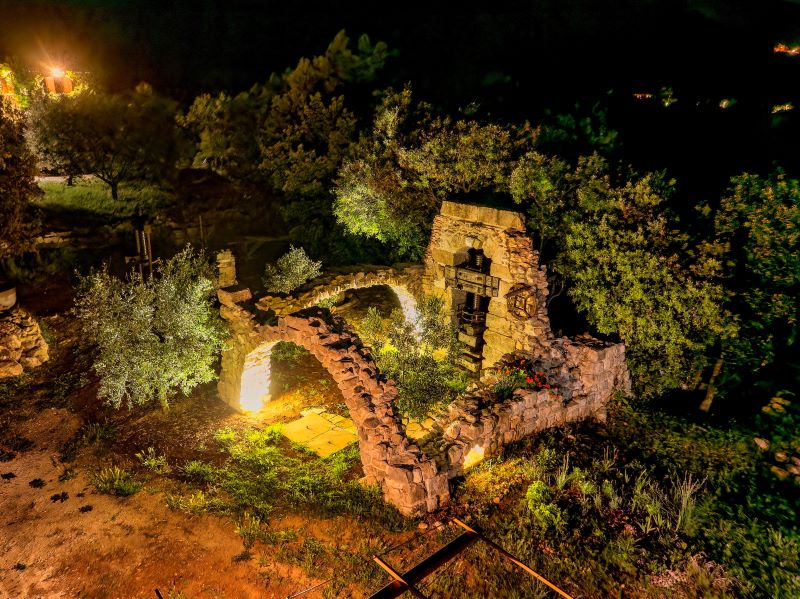
Even the details have their own story. Old beams, doors, chests of drawers, chairs and other items he received were restored and reused, while old roof tiles that could no longer be used on the roofs were given a new function in landscaping. The wood used in and around the houses comes from Pelješac.

This approach is particularly interesting in the context of Local Host because it shows that local identity does not have to be a "decoration" that is added to a tourist product afterwards. It can, in the best case scenario, be the starting point from which the product was created in the first place.

That's why Salacan's view of what his own house offers takes on a broader context. The proximity to the sea and the way of life in Trpanj are part of the experience he wants to bring to his guests, and he views the amenities he offers through their connection to the place and the stay they can experience there.

This is perhaps where we best arrive at what Salacan means by the message: ""You live in Dalmatia"

The guest does not get the scenery of Dalmatia, but a space that was created from its stone, wood, soil, plants and way of life. And that such an approach works is shown by another important detail. Salacan said in 2020 that his guests often return, and he considers their return the best confirmation that they feel good there.

In the end, the most important thing is the host.

Salacan is also well-versed in the tourism system. From his own experience, he knows that new projects need time to be recognized by the market. But he considers the idea itself to be very good.

"Local Host should be exactly what its name suggests. We, the small hosts who personally welcome and host guests, are very important here. In the end, it all depends on what kind of hosts we are, not just hosts.", he points out.

619305275 800

In that sentence we return to the beginning of the whole story about the label Local Host.

For decades, Croatian family accommodation has built its uniqueness precisely on the people who welcomed guests, talked to them, recommended places to go, offered what they had in the garden, basement or kitchen, and allowed them to get to know the place from the perspective of the people who live there.

Local Host today gives these values ​​a clearer label and market visibility.

At Salacan, they are seen very concretely. In a personal welcome. Vegetables and fruit from the garden. Olive oil. Fish from the local fisherman. He recommends that the guest go to the winery, explore Pelješac or maybe try frogs in Neretva for the first time in his life. In houses that were not made to look like Dalmatia, but were created over the years from the area they belong to. 

The Local Host designation for Salacan is a recognition of the way in which it has been welcoming guests for years and bringing its end closer to them. The value of his household comes precisely from this attitude towards the people and the place where he lives. That's why his final message is perhaps the simplest description of the entire concept:

"Live in Dalmatia. Act like a local, be a host in Dalmatia," says Salacan.

It doesn't need to be acted out or staged for the guest. It needs to be lived, and the guest needs to be able to join in, at least for a few days.

31901014

Content created in collaboration with the Croatian National Tourist Board.

Author  HrTourism Native

5. October 2026.