Small family taverns know how to connect blue and green Croatia

The story of a steak that is aged for three weeks is actually a micro example of what our tourism should look like – focused on quality and authenticity. I discovered...

Author  Goran Rihelj

27. August 2018.

The story of a three-week steak is actually a micro example of what our tourism should look like - focused on quality and authenticity.

I discovered a place that is a micro example of how tourism should be done and how blue and green Croatia are connected. It should actually be very simple because we have everything, we just need to connect everything, but it never is because there are small or large interests.

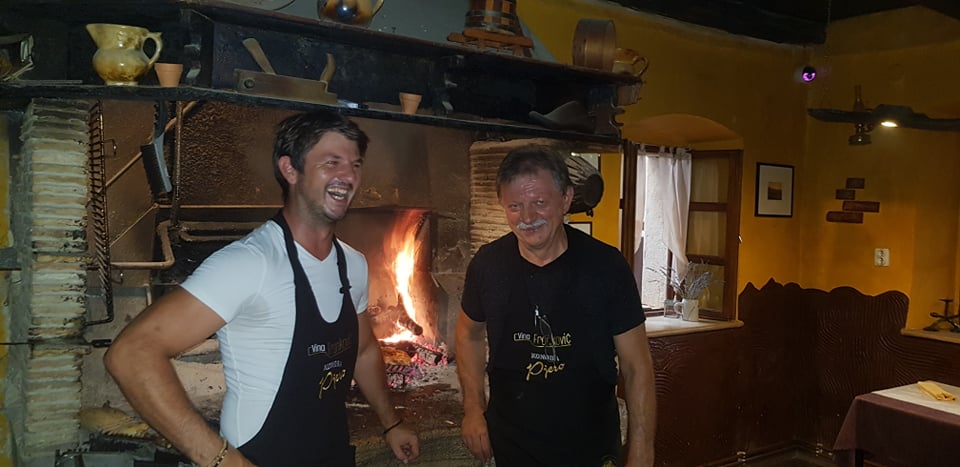
During the Istria Walk and Wine event, I discovered a tavern that left a very strong impression on me. Namely, this tavern is an example of how our tourism should function. It is a family business that has been going on for two decades, in which the son stayed on his farm with his father and continued the family tradition, this time an example from the hospitality industry and of course tourism. The tavern is located in a small town in the interior of Istria that you would rarely hear about if it weren't for it. And today, because of Pjer, everyone knows about Kremenje near Momjan.

What attracts guests to this tavern? It is clear that gastro bloggers would now find many reasons because the food they prepare here is among the best I have ever tasted. I am not a gastro blogger, but before I continue the tourist story, I have to tell the story of the steak that many people come here for. I would not write this if it were not another example of how things should be done. So the owner, father Pjero, is a hunter and knows very well what meat is, how to prepare game and what quality ingredients are. So his beef steak goes through a three-week process before it ends up on your plate. I was thrilled by the fact that my steak, as well as all other meat, is purchased from local producers and that is the zero phase for which a tavern will be included in my blog.

The other three stages are storing the meat in special rooms, then in a well because the temperature is just right, according to these gastronomy experts, then in a paco made of oil and spices, and finally, after three weeks, the meat is cooked on an open fire in the tavern before your eyes. The taste is incredible, the impression is complete, and the meat is so soft that you can cut it with your eyes. Omboletto with truffles or asparagus is another delicacy at Pjero that everyone is talking about. And then there's the asparagus and peka pâté, all of which are reasons why everyone knows about this tavern.
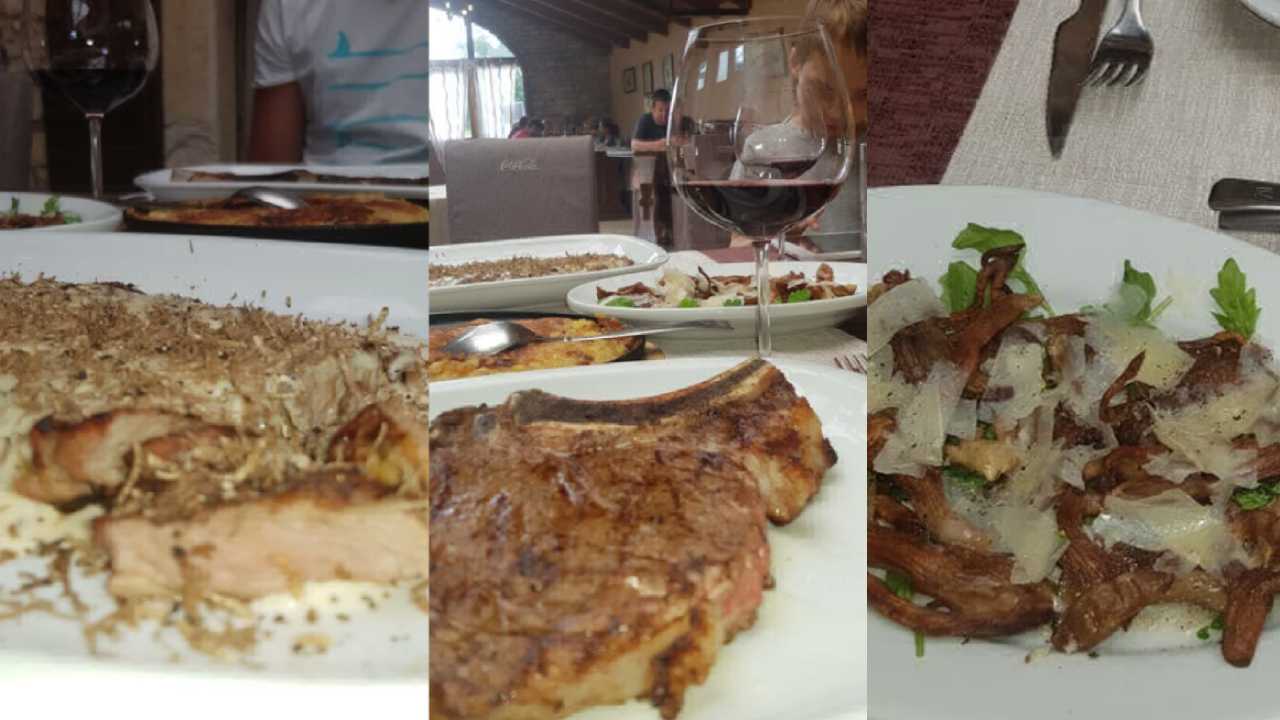
In addition, they will serve you special potatoes that are again from a local farmer, which is the most important thing for me in these potatoes, truffles, mushrooms and salads, all indigenous and homemade, delicious and healthy – like at home. After two lunches here, I approached the owners and asked them how they manage it. I was interested because they keep telling me that it can't be done, it's difficult and almost impossible. "Our season actually starts in September with the white truffle season, and in the summer we're not as full as in September or when it's asparagus season, and our season lasts ten months." Mate, aka Kijo, the owner's son, explains to me, who is also a waiter, chef and pastry chef in the tavern. He explained to me that it is not easy, but he manages to get all the ingredients in the Istrian region and that even though it would be much more profitable to buy meat in bulk from foreign suppliers, they still do not give up on domestic meat because they simply would not get the same quality.

They also go to local fields for tomatoes and vegetables and close the supply chain in Istria. They stick to original recipes, have homemade and handmade pasta, of course homemade olive oil and wine, and that is truly everything a tourist expects from a restaurant. Everything is in its place here, and that is why they are a micro example of how things should be arranged in our tourism. We should tell tourists such tourist stories and the state should encourage such examples.

Them, but also all those who supply them. Oil mills, winemakers, farmers and livestock farmers, because if you neglect them, there will be no such caterers or restaurants, and then we can direct tourists to global fast food chains and we will lose everything they actually come for – authenticity, healthy and delicious gastronomic offerings, top-quality olive oils and top-quality wines.

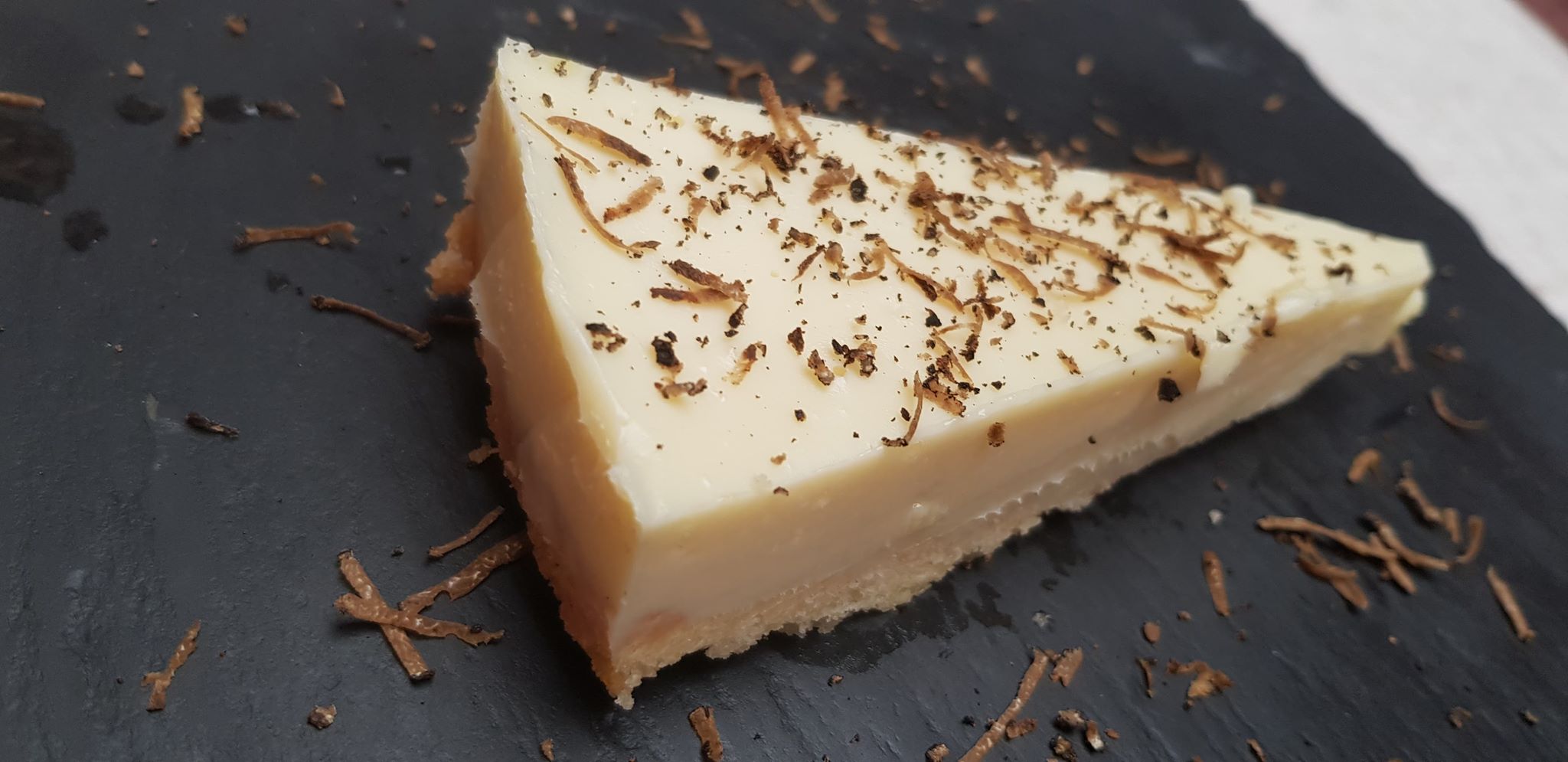
It's interesting how Kijo made his first original and famous chocolate cake at the age of just 18, and he is even more famous for his white chocolate cake with truffles that everyone is talking about, and everything is actually based on tradition, the hard work of his father and now his son, both of whom you will always find in the tavern. When I asked them why they don't open another one, they just laughed and said that then they wouldn't get anything done and there's no point in doing that if you're not present with each of your guests. And I can confirm that they are the true ambassadors of our tourism. Always smiling with every guest, they immediately establish that relationship in which you feel at home with them, and when you add to that the top-quality food made from local ingredients, it's clear that everyone returns to this tavern. I will for sure too.


Author's cake / White chocolate cake with truffles

This is a true example of what tourism should be – high-quality and authentic. On the other hand, one of the biggest failures of our tourism is that we have not connected blue and green Croatia, i.e. tourism with production. Tourism connects various industries vertically and horizontally, and the point of tourism is to use as many local resources as possible and for tourist spending to be dispersed to the local population. If there were 100 such taverns that are supplied from local fields, then we would have 100s of family farms that produce just for them. Just imagine how much a destination has a daily need for eggs (hotels, restaurants, family accommodation...), say Pula, Rijeka, Poreč, Split... we are talking about tens of thousands of eggs a day. And if we know that one laying hen lays an average of 280 eggs per year, we are talking about thousands of hens and hundreds of family farms, which supply the daily need for eggs in the destination. It also means that hundreds of people will stay on their land, there will be no emigration, restaurants will have yellow, not white cream sandwiches, and most importantly, they will have quality.

One clear example of how we need to close the circle. And that is tourism. It is crazy, funny and tragic that through all these years of being in tourism, we have not closed hundreds of such circles, because we have the most important thing – high demand, i.e. consumption through tourism. We have local and high-quality food, incredible diversity and authenticity, which is our greatest strength, and we just have to offer and be who we are, and not be bad copies.

Greece and Turkey are not and must not be our competition, we must focus on quality and authenticity. After all, this is how the tourist season is extended with an authentic offer and quality of both services, content and ultimately the overall tourist product. The interior of Istria has shown the direction and how it is very possible. From the Days of Asparagus, Truffles, Olive Oil, Wine... they live realistically for 10 months from tourism.

Ambassadors of our tourism, father and son as alpha and omega of Konoba Pjero

Our tradition, history, culture and way of life, authenticity and diversity must be our main tourism products. Pjero and Kijo are a great example of how tourism should work, and the proof of this is the fact that they work all year round, ten months at full capacity, and whenever you come to visit you are never alone in the tavern.

They are true ambassadors of Croatian tourism and the direction of how we should develop our tourism.

Author  Goran Rihelj

27. August 2018.