Level 52 invested almost 350.000 euros: tourism campaigns from the first idea to the final production

Author  HrTourism Native

5. October 2026.

Sanel Isanović, creative director and owner of Level 52, talks about new studio capacities in Labin, the methodology developed through work in tourism and production that connects film, photography, music and content for various communication channels, and trends in the world of destination promotion.

Labin production Level 52 In three phases, through two European projects and its own funds, it invested almost 350.000 euros in the new space, and more importantly in studio capacities, equipment and education. The relocation and construction of a studio for post-production of images and sound enabled the connection of idea development, script, shooting and final editing. under one roof. 

For tourist boards, hoteliers and agencies, this opens up the possibility of cooperation with production through the entire process of creating an audiovisual campaign, including the preparation of content for online and offline communication.

A destination that wants to present its offerings through different seasons needs content that follows the travel dates, products, and audiences it addresses. A hotel might need a brand film, separate stories about gastronomy and wellness, and shorter materials for digital campaigns. When these needs are worked out at the beginning of the collaboration, they can be connected through a common concept and production plan.

We talk to Level 52 about this way of working, which they develop through experience in film production and tourist destination projects. Sanel Isanović, creative director and company owner Level 52. 
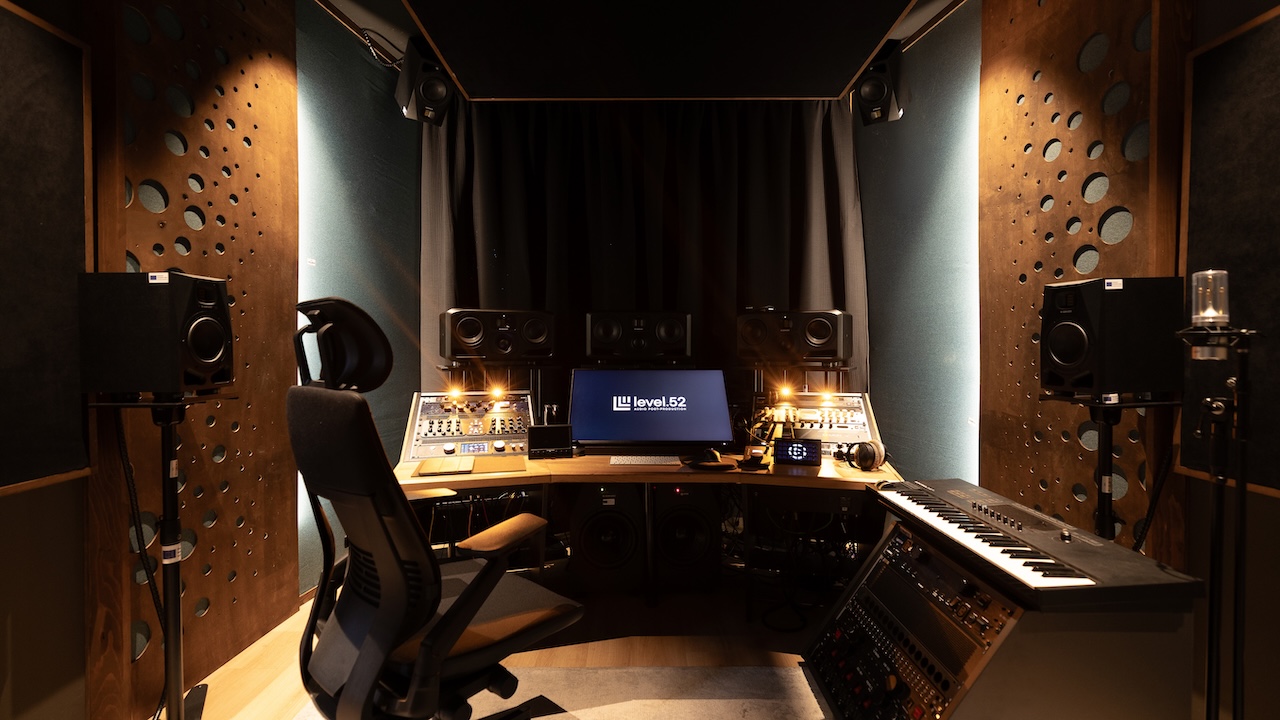
Level 52 title dolby atmos 7

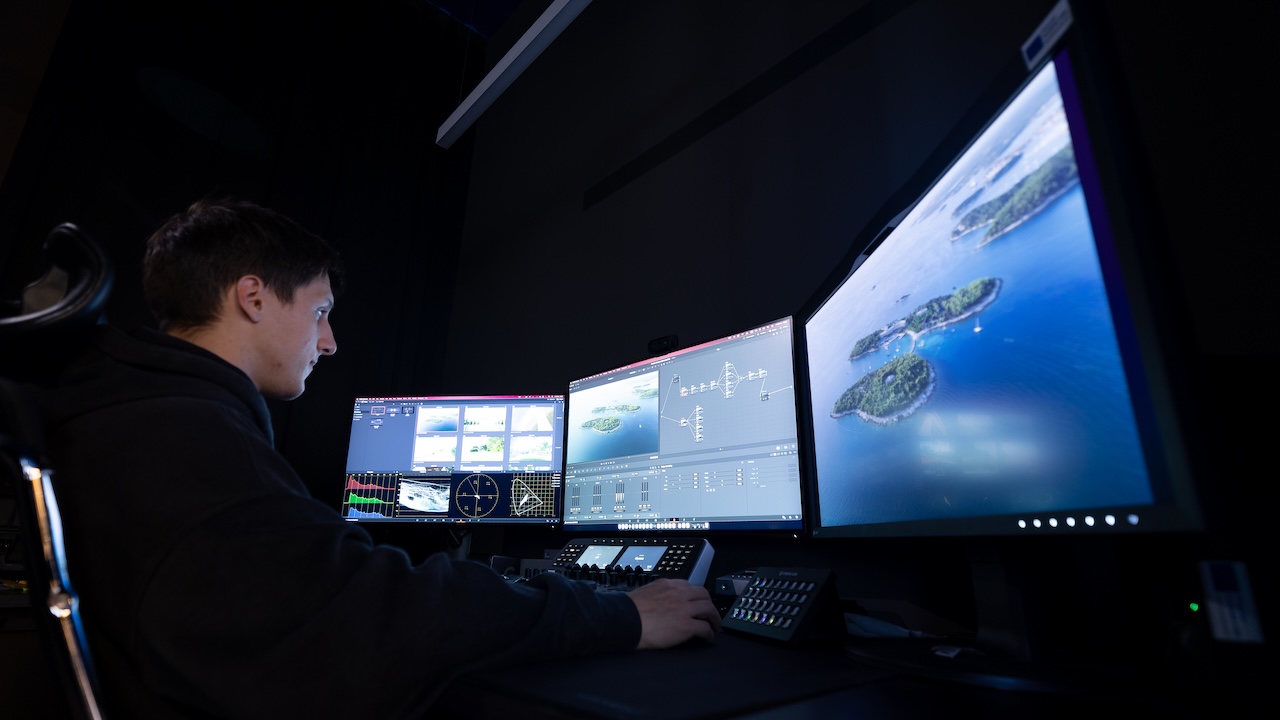
Level 52 picture post production studio

New capacities are the basis of their offer according to the model One stop shop: the client can develop an idea and realize a film and related formats for a short-term campaign or long-term communication in one place.

We start the conversation with a situation familiar to tourism communities: a destination wants new promotional content, but has yet to define what it wants to achieve with it. How does Level 52 approach such a task and at what stage does their work begin?

"When working with clients, this starts long before the first day of filming. First of all, we need to understand who the audience is, what feeling we want to evoke, what message we want to send, and ultimately what the goal is. If we don't define this at the beginning, it's easy to waste money and not get results. Only then do we decide which situations to film, whose story to follow, and which formats are truly necessary. Good preparation helps to focus the production budget on scenes, content, and formats that have a clear purpose.", explains Isanović.

This preparation also creates the basis for later use of the material. Isanović cites the example of a tourist board approaching them with a question about how to present a destination throughout the year. The collaboration then includes developing a central idea from which the main film can be created, stories about people and experiences, shorter digital formats, photographs, music and sound.

The client receives a series of materials that allow them to promote the destination over a longer period of time with consistent visuals, which ultimately leads to recognition and which they can use in conjunction, complement and develop over time.

"Level 52's advantage is that we understand each stage of production in the context of the entire film and the wider campaign. We have built this approach through many years of experience in film production and tourism destination development projects, and our work has been recognized with more than 40 international awards. Whether we develop a project from the first idea or take on a specific part of the shooting and post-production, we are guided by an understanding of the whole."

Opatija Riviera sanel lq 68 2

For destinations that plan multi-year communication, it is especially important how to connect individual production tasks. A film shot one year, content for social networks the next and a new campaign after that should maintain a recognizable relationship to the destination. This is what they call an approach to campaign development in Level 52 Level 52 Campaign Universe.

"Its basis is simple: we don't start from the number of videos and posts, but from an idea strong enough to connect everything we will create. Then, with a partner, we determine what needs to spark interest, what deepens the story, and what helps people move from inspiration to an actual visit. In this way, the film becomes the beginning of a broader experience of the destination, and each new piece of content has a clear role in the same story."

As a possible example, he describes a destination that develops its communication around encounters with local people. Such a concept could result in a film for the web, cinema or television, a series of short portraits of the host, content for social networks and audio stories that visitors listen to on location. 

Similarly, a hotelier can connect a brand film with the gastronomy, space and employees who contribute to the guest experience. The scope of the production is determined by the needs of the project, while the shared idea allows the content to continue one after the other.

Such an approach requires coordination from the beginning, especially when several tourist boards are involved in the project or when the hotel company collaborates with an external agency. What does the client gain in practice from the fact that he can entrust the development of the concept, filming, editing and finishing to the same production?

"The biggest advantage is the continuity of the author's vision. Already during the development of the idea, we think about how it will work on the shooting, in the editing, image processing and sound. Every decision is part of the same creative process. For the client, this means simpler communication, better coordination and clear responsibility for the final result. It allows us to control quality at every step", says Isanović.

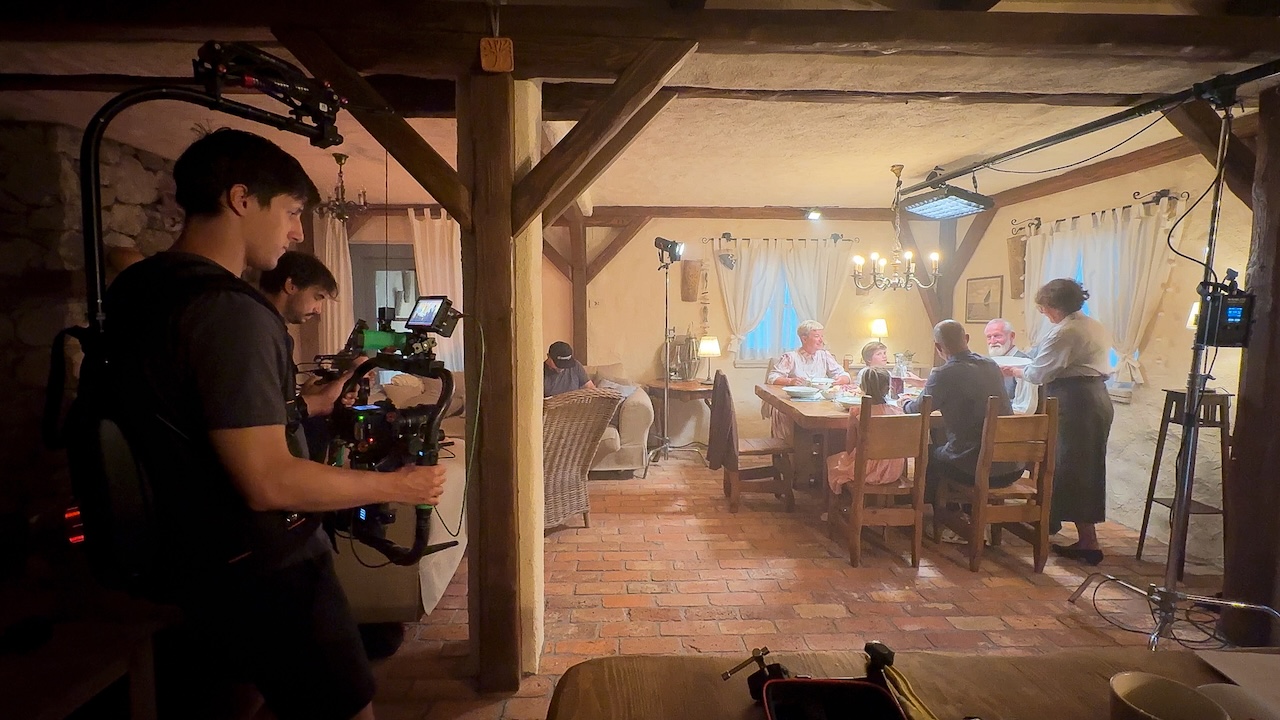
On set island of Krk

In joint destination projects, this means that already during the development of the concept, it is determined what connects the entire area and what belongs to individual places. Each tourist board should receive material that it can use in its own communication, with the recognition of the joint campaign. 

The new investments have given them greater control over the final stages of production. They have established a studio in Labin for Dolby Atmos i surround sound and improved the system for professional color correction and image processingFor clients in tourism, technical terms in themselves say little about the application, and specifically, what is the difference that the viewer can see and hear in the finished film.

"In a tourist film, this is heard in the details that make a place recognizable: in the footsteps through the old town, work in the olive grove, the sound of the harbor in the morning, or the voice of a man talking about his region in his own words. We can record such sounds on location and build a film around them. For a destination, it is an opportunity to show its own character, and for a hotel, to give the guest a sense of the place even before they enter."

A significant part of the investment is therefore directed towards equipment for sound recording on location and on film set. Dialogue, ambience and spatial sounds are collected during recording, with reflection on their role in the final editing. 

"Spatial sound also allows for use in interpretation centers, where visitors can experience the forest, sea, or underground through the sound that surrounds them." emphasizes Isanović and adds that this is also interesting for hoteliers through the development hotel sound identity, connected with film, digital communication and experience at the location itself.

This is the direction that large hotel companies and some destinations have already taken, to create their own destination sound that will be recognizable. 

Opatija Riviera daniel michele sanel lq 101 2

In photography, on the other hand, the emphasis is on the consistency of the material produced in different conditions. Destination shoots can cover several seasons, different locations and weather conditions, while the final content is prepared for screens and channels with different requirements. 

“Our own color correction system allows us to make decisions in close collaboration with the director, cinematographer and post-production. If we are filming a destination across multiple seasons, in different weather conditions and across multiple locations, the final editing helps ensure that all of that material belongs to the same visual world. This is also important for a hotelier who wants to show the same project at a trade fair, on a big screen in a hotel and on social media. Each format has its own requirements, but the viewer needs to recognize the same identity.”This is especially important today when everything is flooded with cheap content. The viewer may not be able to describe it in words, but he feels the difference between a well-made film and something hastily made. The latter just skips over it, Isanović points out.

The total investment of almost 350.000 euros included three development phases, two European projects and own funds. Within this amount, the project "Digital transformation of LEVEL 52 doo with the aim of operating in the single digital market" was worth 164.113,18 euros, with 139.496,19 euros in grants from the National Recovery and Resilience PlanIt was carried out from July 2, 2024 to March 1, 2026, and included sound recording, audio post-production, image processing, digital infrastructure, and professional training.

We ask Isanović how they connected the investment in space and equipment with the knowledge needed to use them. According to Tim, he completed professional training at New York Film Academy, and he sees the application of the acquired knowledge already in the preparation of the project and the decisions that precede the shooting.

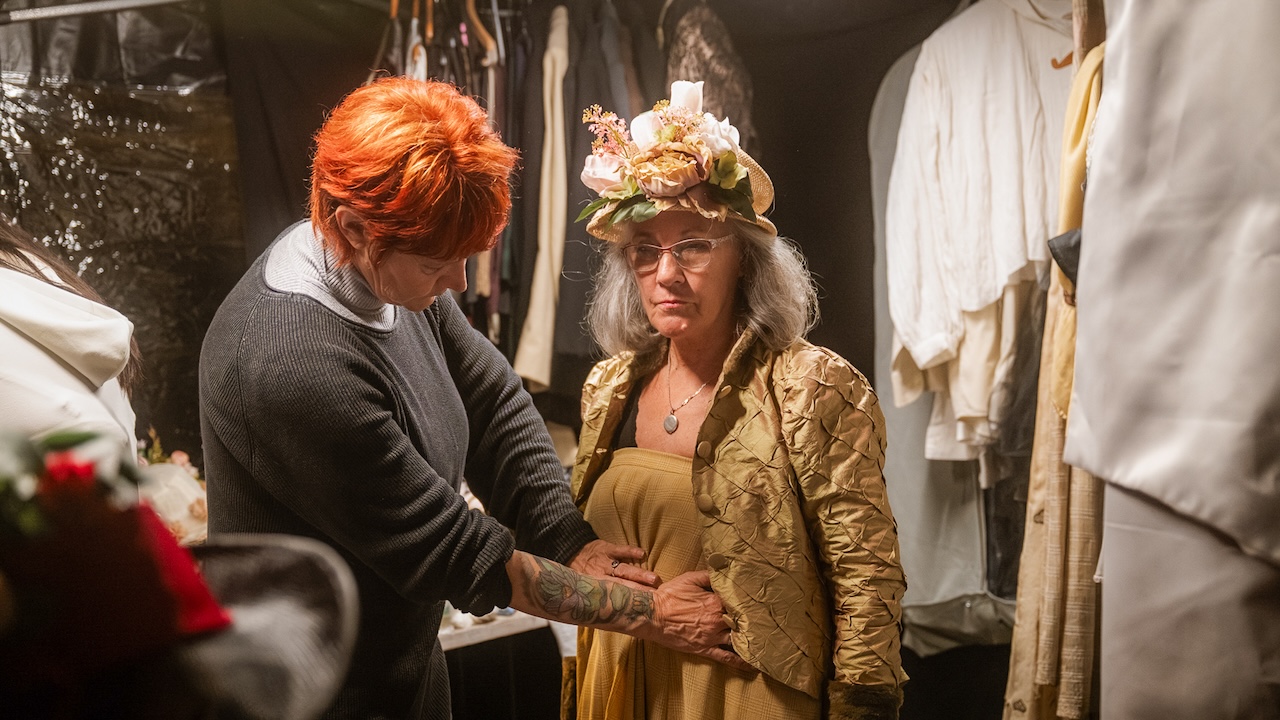
Opatija Riviera costumes lq 39 2

"Knowledge was as important a part of this project as the equipment. In parallel with technological development, our team completed professional training at the New York Film Academy so that we could apply new possibilities thoughtfully and creatively. The value of technology for us is demonstrated by what we can tell and achieve with it. At the same time, we are constantly learning and are in touch with the largest productions and follow market trends so that we can also be consultants to clients in their projects."

The development of digital infrastructure has also enabled collaboration with remote teams. In tourism projects, this may mean that the marketing department of a hotel brand is in one country, the agency in another, and the filming in Croatia. 

Level 52 was set by server system for collaborative work and material exchange, including real-time collaboration, so that decisions and feedback can be coordinated without all participants coming to the studio.

"We can manage entire projects from our own studio, but also take on individual production and post-production tasks as part of a wider international team. Depending on the client's needs, we can get involved in on-location filming, color correction or final sound design, in collaboration with existing partners on the project."", explains Isanović. 

When selecting stories for tourism campaigns, Isanović emphasizes working with people who know the destination from their everyday lives. Local interlocutors can open up topics beyond the usual list of attractions and help the production team choose the people, places, and experiences to feature.

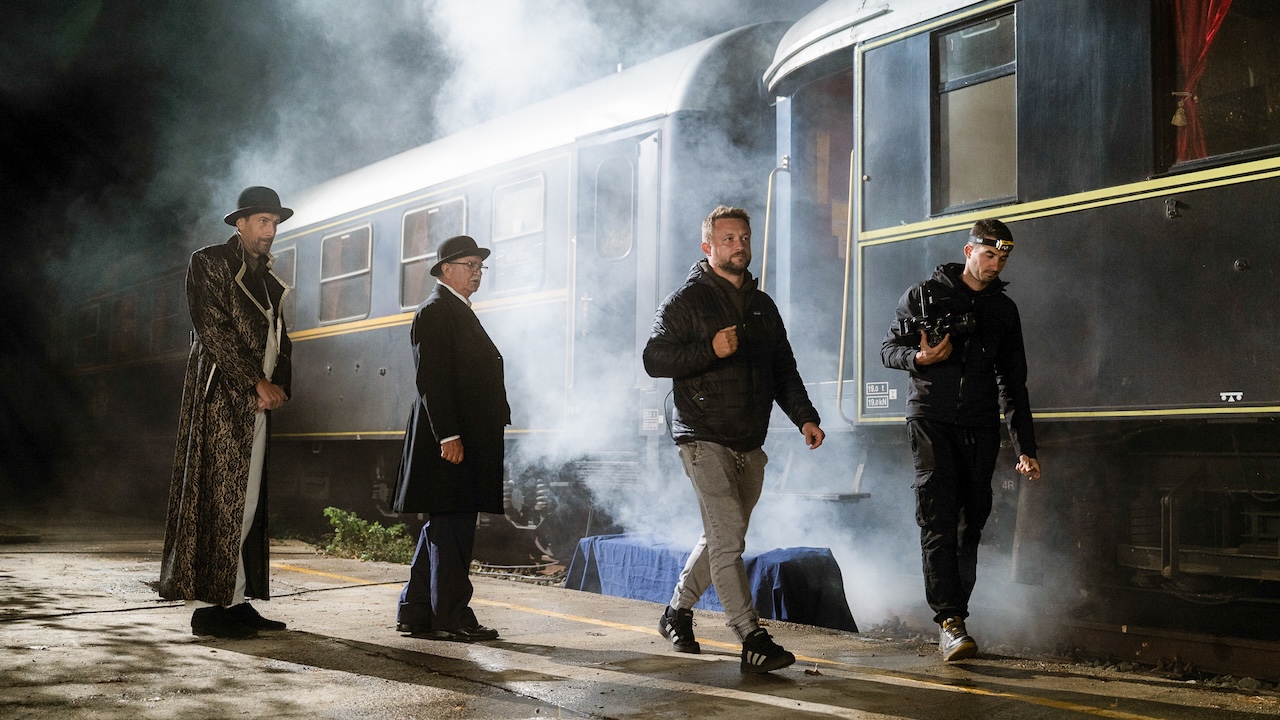
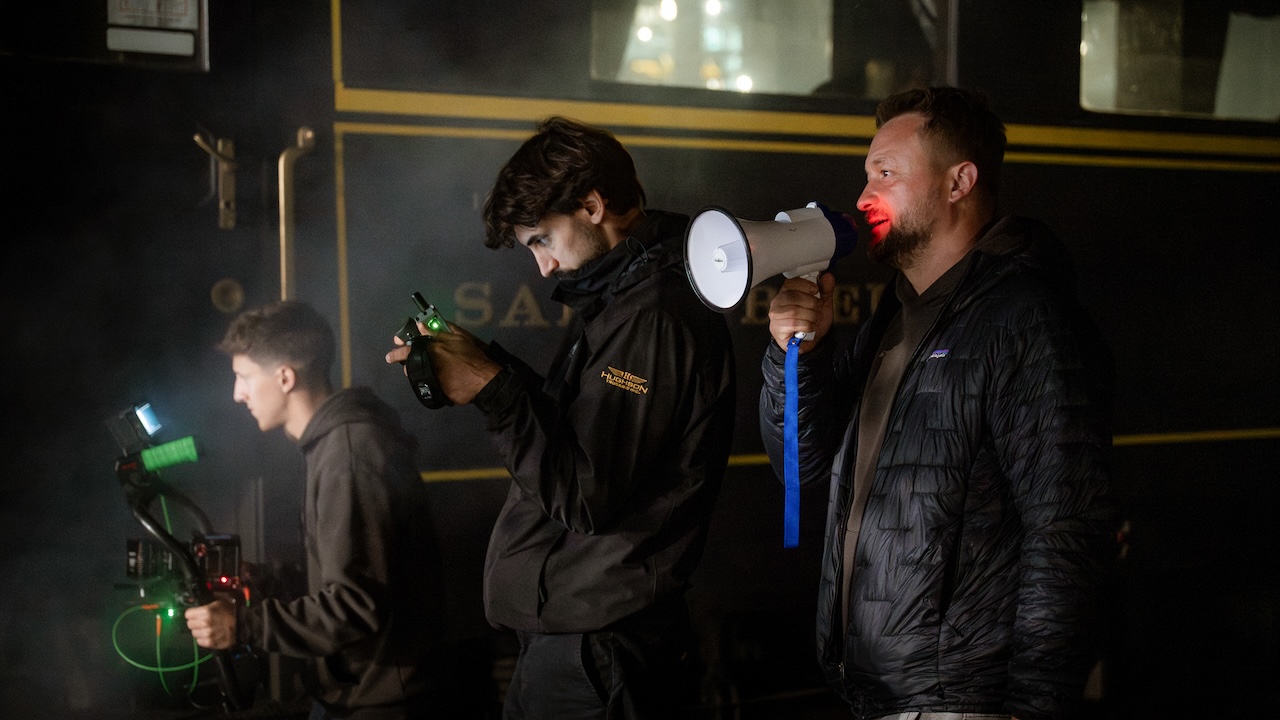
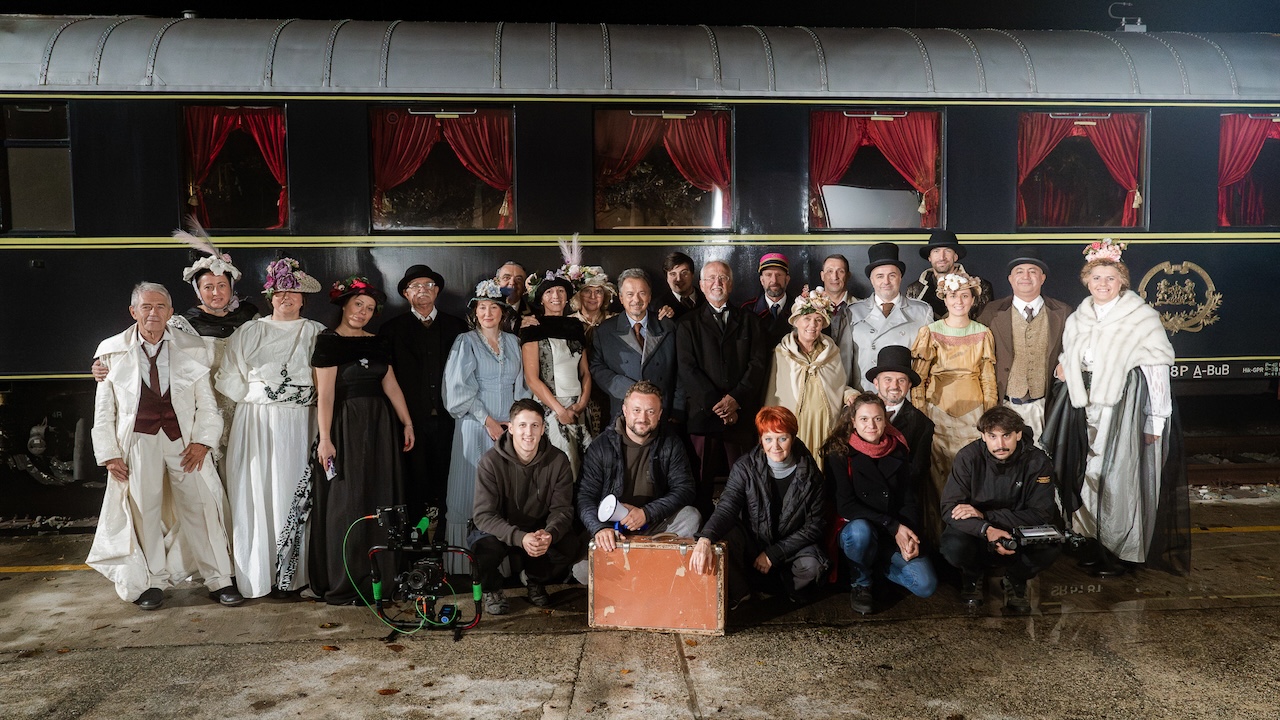
Opatija Riviera scene train lq 113 2

"A local guide, musician, craftsman or resident can often tell a story that we wouldn’t find in a typical list of attractions. When we include such voices in the development of a tourism film or campaign, we get content that can be interesting to an international audience precisely because it is rooted in the real life of the destination."

Level 52 wants to develop such stories through collaborations that can continue year after year. The central concept remains the basis for new films and content, and the client can gradually supplement the materials in accordance with the development of the offer and communication needs.

"With the tourism board, we can, for example, develop the main story of the destination, then films about its people and experiences, and content that helps the visitor decide what to explore. The central idea remains the same, while the materials can be supplemented with new stories from year to year. Thus, investing in creative development becomes the basis for longer-term communication.”, concludes Isanović.

Photos: Level 52

*Article created in collaboration with Level52


Author  HrTourism Native

5. October 2026.