Ivana Jakovljević: Local Host combines the authenticity of the host with the expectations of today's guest

More than just accommodation.

Author  HrTourism Native

17. September 2026.

Perhaps in recent years, when talking about family accommodation, we have talked too much about the accommodation itself and too little about the host.

Square footage, categorization, pools, design, equipment, prices, distribution channels and occupancy rates have become dominant topics, while one of the elements on which Croatian tourism has been built for decades has slowly faded into the background: a personal relationship between a guest and the person who welcomes them to their city, village, island or region.

It is precisely in this difference that the idea of ​​the label lies. Local Host, with which the Croatian Tourist Board more clearly distinguishes hosts whose family accommodation is not just a property for short-term rental, but part of local tourist experience.

Croatian tourism has been built for decades precisely on the nearby host-guest relationship. Guests returned to the same families for years, sometimes decades, and personal relationships, recommendations and learning about the local way of life were a natural part of their stay. Today, we use new terms for many things; authenticity, personalization, slow travel, local experience or sustainability – but these are, to a large extent, old values ​​interpreted through the new language and expectations of today's guest.

They were and remain part of the DNA of Croatian tourism.

That's why Local Host is not trying to invent a new tourism model, but rather to re-emphasize the host, the personal relationship, and the feeling that the guest has not come just to sleep, but to experience the destination for at least a short time.

Ivana Jakovljević: Local Host offers authenticity and a different accommodation experience
Dalmatia split local host kastilac cntb 05

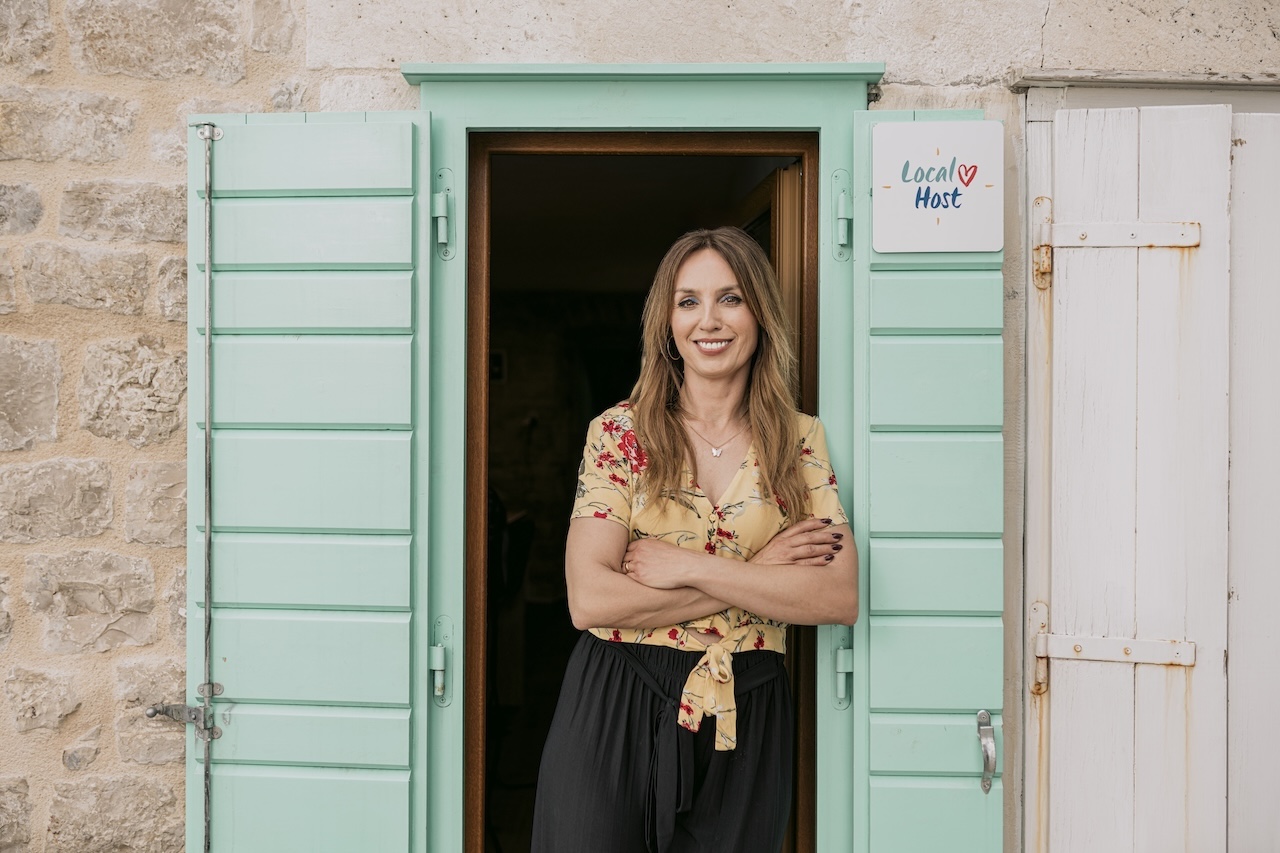
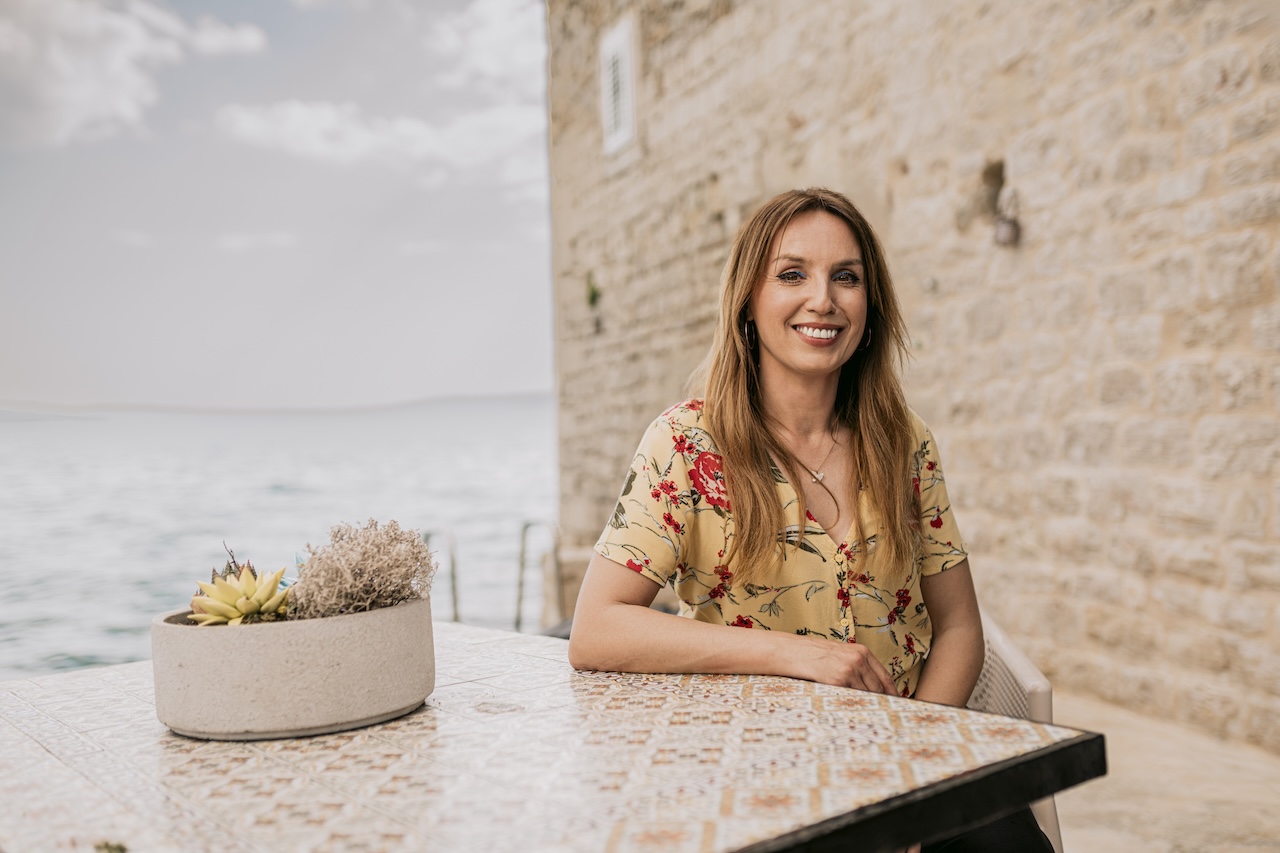
It was from this perspective that we spoke with Ivana Jakovljević, accommodation host Sea House Kaštilac in Kaštel Gomilica and holder of the Local Host label.

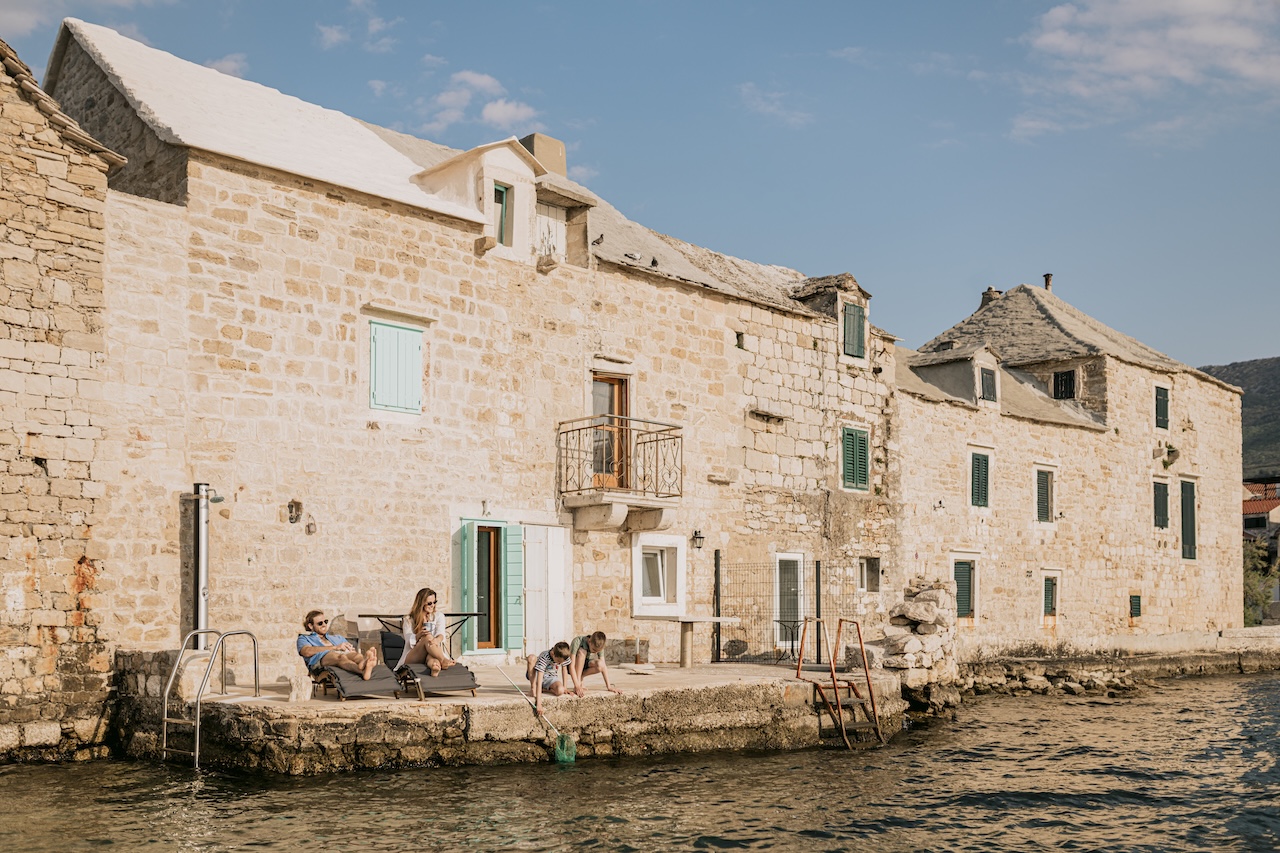
Her experience is interesting because it shows in a very concrete way what lies behind "abstract" concepts such as authentic experience and local connection. Jakovljević welcomes guests in a specific Dalmatian setting, in a centuries-old area by the sea, where historical architecture and stone do not try to turn into scenery, but remain a part of everyday life.

The facility is equipped with modern facilities and offers guests everything they expect from quality accommodation today, but it is the way they stay that sets it apart. "Local Host does offer authenticity and a different accommodation experience. It's not just accommodation where you get a bed and a bathroom so you don't really care where you are. Here you get to experience the very essence of local life.", describes Jakovljević.

One of the guest comments in particular stuck with her. A Swiss couple who traveled a lot told her that it was one of the rare vacations where they didn't feel the need to seek out new attractions and excursions every day. Instead, they enjoyed the rhythm of local life, the sea, coffee on the terrace, and socializing with the locals.

"They simply enjoyed that relaxed lifestyle by the sea. In the morning you drink coffee on the terrace, go to the sea, go out, you don't have to wait for transportation, get in a car or look for a place. Talking to locals, following our rhythm of life, especially drinking coffee, preparing food... That's the experience of staying", says Jakovljevic.

Precisely the expression stay experience It describes well what is often lost when we look at a tourism product only through the attractions, infrastructure and facilities that the guest needs to visit. The experience of a destination also occurs in the time between these facilities.

In the morning coffee, a conversation with the host, a trip to the local shop or fish market, a restaurant that the guest might never find on the first page of Google, or a bottle of local wine that he doesn't know. That's why Jakovljević tries to make guests feel at home right from the moment they arrive. present Croatian products: local wine, olive oil, seasonal fruit and other products characteristic of the local area or Croatia.

Sometimes these are very small details, but that's exactly where he sees the meaning.

Dalmatia split local host kastilac cntb 18

Dalmatia split local host kastilac cntb 10

Jakovljević does not hide that he supports the idea of ​​Local Host. Moreover, he believes that it is a good direction precisely because it tries to make a clearer distinction between different models of private accommodation.

"Local Host offers a different kind of accommodation experience. It's not just accommodation where you get a bed and a bathroom, but in a way you get into the very essence of local life.", emphasizes Jakovljević.

Communication with the host is an important part of the experience. Not all guests are the same or look for the same things, so Jakovljević adapts the recommendations to their interests - from restaurants and excursions to local experiences. "Through the conversation I see who is more suited and I make a recommendation accordingly.", he explains.

In an era when a guest can find an almost infinite amount of information on the internet, the value of a host lies precisely in the fact that knows the destination and can highlight what is relevant for the guestTherefore, emphasizes Jakovljević, the host must be informed and follow what is happening in his area.

"There are guests who really like to ask everything. When you see that they are open to it, you send them information. Some contact me during the day where they were, what they saw, ask what else they can do. With some we almost become friends. But again, they need to be given their privacy. I am there if they need anything, and that is the most important thing for the guest to feel and know.", says Jakovljevic.

OTA platforms have completely changed the way we choose and book accommodation.

Today, guests know almost everything about the property in advance, and their entire stay can go by without any personal contact with the host. However, it is not the same product as a homestay where the person hosting the guest is an active part of the experience.

Just The Local Host label clearly shows this difference to the guest.

But it is not the same product as a household where the person receiving the guest is an active part of the experience. At the same time, the conversation with Jakovljević opens up an even more interesting topic. Much of what the tourism industry today presents as new trends in Croatian tourism was actually done completely naturally in the past.

Jakovljević grew up on the Dalmatian coast and remembers well the time when the same guests would come to the family home year after year. The accommodation did not have today's level of comfort, with shared spaces, kitchen, yard, and sometimes even bathroom, but a relationship was created between the host and the tourist that is difficult to reduce to a classic transaction of purchasing accommodation.

"Maybe it's something I left over from my childhood. My grandmother's house was full of guests, but these people weren't just guests anymore. They were like family. Two families would come for ten or twenty years, every year. We shared the kitchen, the yard, everything was shared. They would see what we were cooking, we would grill fish together and we would all eat. They didn't ask for anything more than that.", he recalls.

Later, newer apartments, higher standards and more modern hotels came, but those guests didn't necessarily want to go anywhere else. "They weren't interested in that. They were interested in that experience - to come among their 'family' and live the way we live. I think Croatia needs that approach.", says Jakovljevic.

Dalmatia split local host kastilac cntb 13

This does not mean that larger systems necessarily offer a worse product, but that Local Host represents a different form of accommodation experience, in which host becomes key part of the guest's experience and his connection with the destination.

Interestingly, the application process, according to Jakovljević, is quite simple. When she saw that the label had started to be promoted, she applied, the system checked whether she met the criteria, and she was awarded the label. "There was nothing complicated. If you are really a host and meet the criteria, there are no special investments or requirements. I think anyone who feels they meet those criteria can apply.”, describes Jakovljević and adds that in her case, Local Host is based precisely on the specifics of the accommodation itself and the experience it provides to guests.

"My facility is five hundred years old, located on a cliff and has direct access to the sea. It is special precisely because of its history and authenticity, while at the same time being modernly equipped and offering guests everything they need for a pleasant stay."

That is why the Croatian National Tourist Board is building the visibility of the Local Host label and its meaning among guests through promotional activities. This summer, the Croatian National Tourist Board, in collaboration with Booking.com, conducted the "Experience real Croatia" campaign in the markets Germany, Austria, Poland, Czech Republic and Hungary, which achieved more than eight million impressions and almost 500 reservations.

Dalmatia split local host kastilac cntb 07

The value of the concept is that shared standards of hospitality, local connection and personal approach are shared by everyone. the host interprets through his own destination, its lifestyle, people, food, nature and identity.

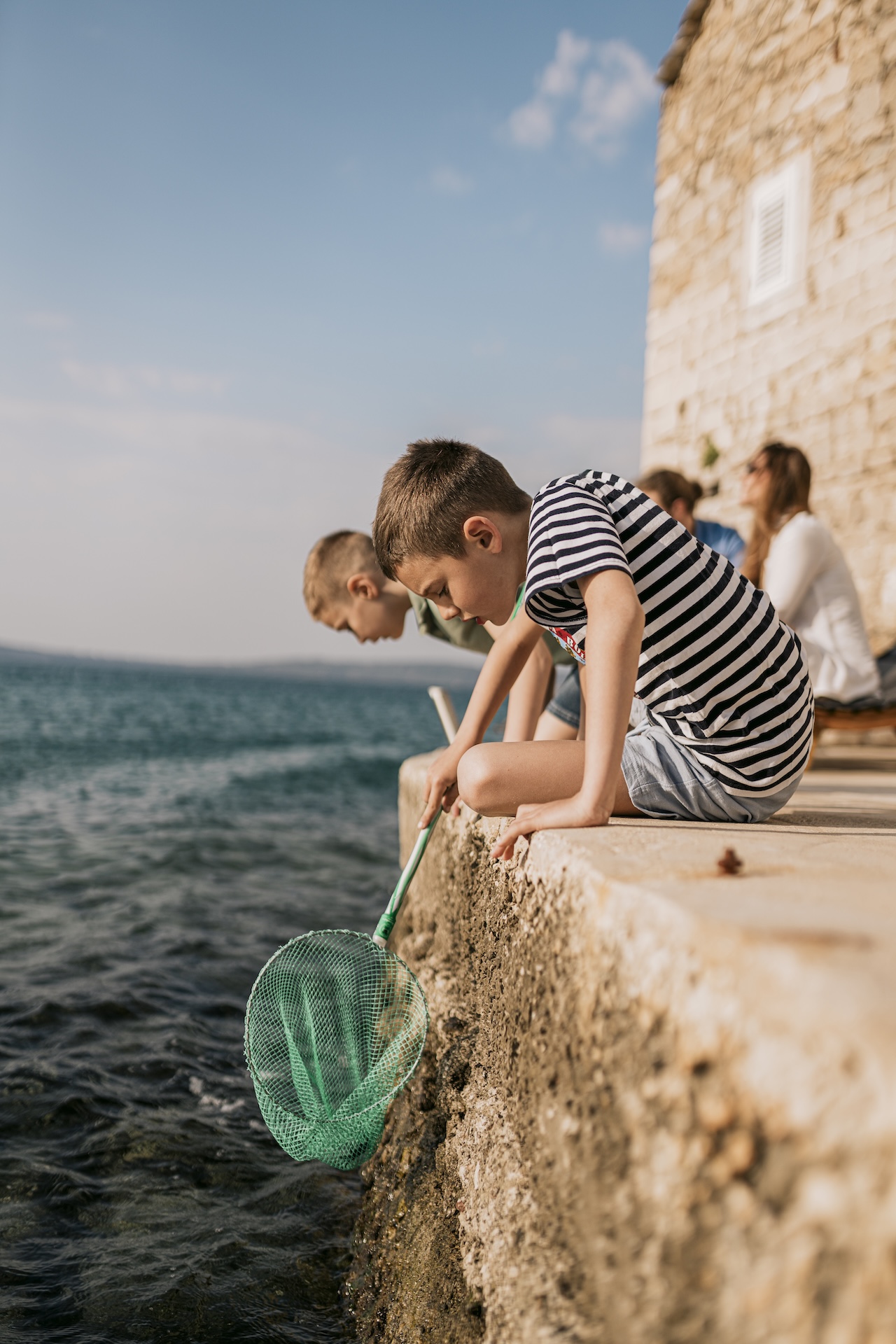
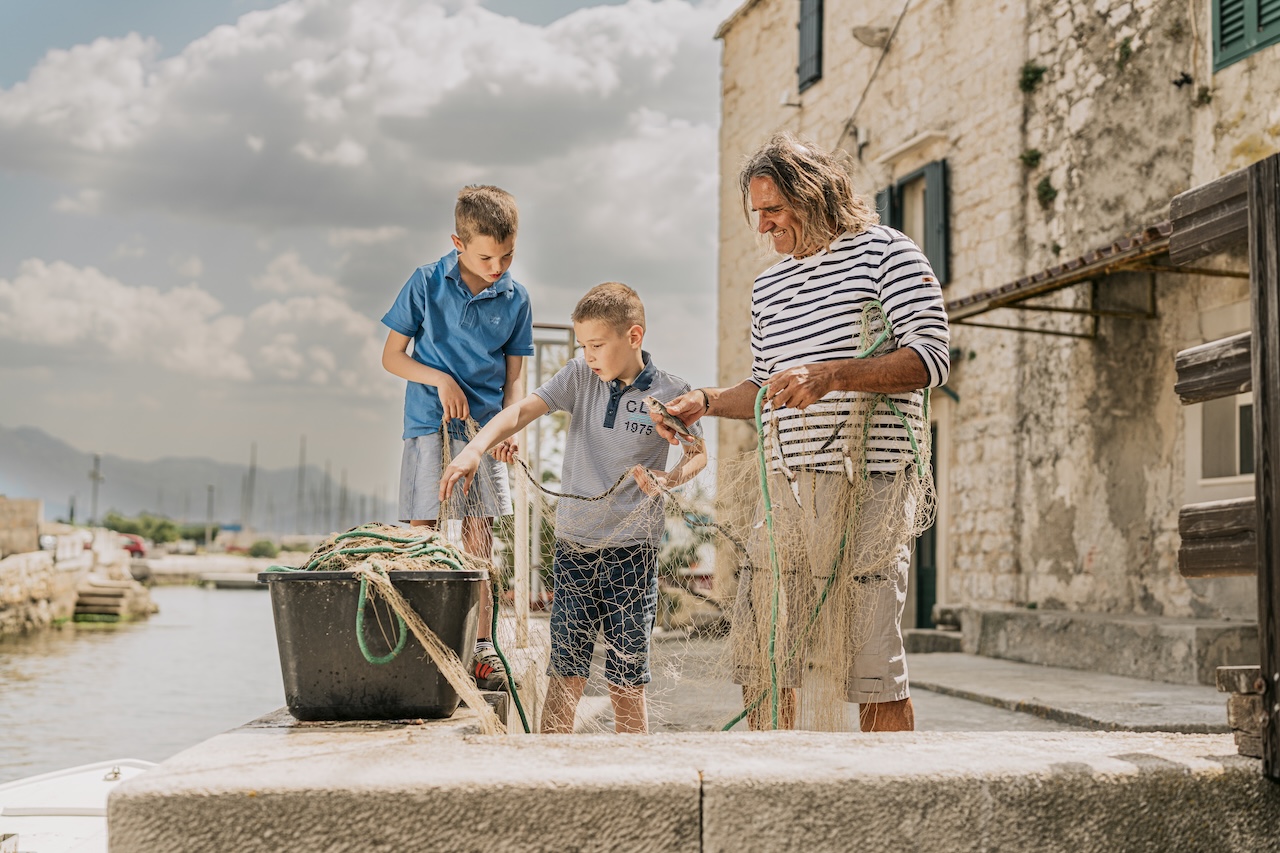
In Dalmatia, it looks like the sea, the stone, the local fish market, the tavern, olive oil and life with the bora, the jugo and the waves. Jakovljević even explains to his guests that being by the sea sometimes means adapting to the sea: putting things away when they get stuffy, closing the window or simply accepting that nature is not a backdrop that can be turned on and off.

""You live here by the sea. You will feel the sea, the wind and the waves. If the wind changes, you have to close what needs to be closed, no one will do it for you. In a way, you have to live with what it would be like if you lived here.", describes.

The same principle, of course, looks completely different in other parts of Croatia. In Slavonia and Baranja It can mean cycling through vineyards, visiting a winemaker or getting to know the local gastronomy. In Istria, meeting a producer, olive growing or traditional recipes.

U Zagorje, Međimurje, Lika, Gorski Kotar or other continental areas, a local host can connect the guest with nature, tradition, local customs, agriculture, gastronomy, or people that a classic tourist itinerary may not include at all.

It is precisely through such a relationship with local food, producers, seasonal ingredients, nature and the community that another dimension of Local Host opens - sustainability which is not only an ecological declaration, but above all a question of how much tourist consumption and guest experience remain connected to the space where tourism takes place.

That's exactly why Local Host guarantees shared household philosophy which will look different in each region.

Dalmatia split local host kastilac cntb 02

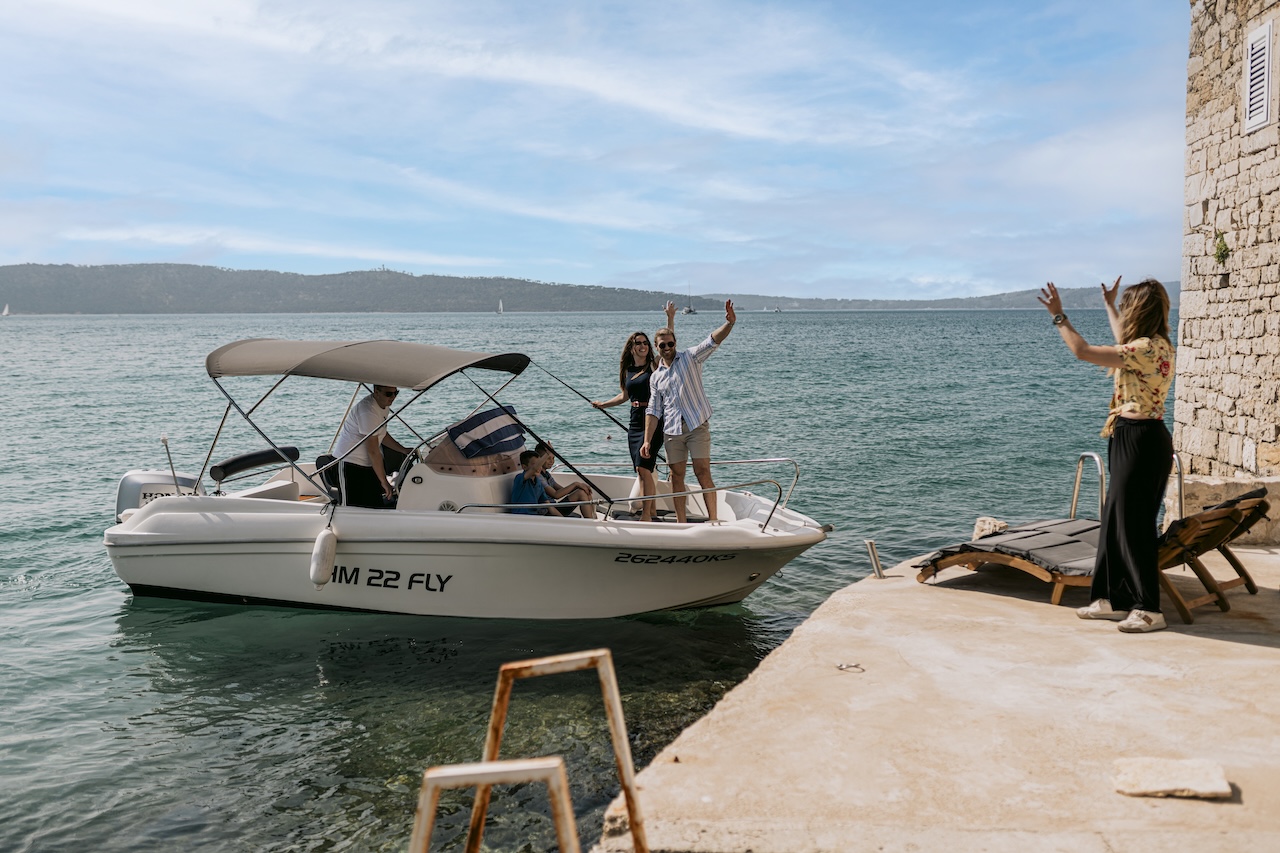
Ivana Jakovljević knows how to welcome her guests with bread, something to eat or drink, so that the first thing they have to do on vacation is not to look for a store. "Ako ste dugo putovali, zašto biste odmah morali trčati negdje u trgovinu? Neka prvo sjednu, pojedu nešto, popiju čašu vina i onda dalje. Odmah ih uvedeš u taj pomalo“, he says.

Perhaps this is the best example of what is often described in tourism strategies with big words like personalization or hospitality. In practice, these are very often small, simple and human things. A host who thinks about what a guest will need before the guest has to ask. A man who knows that a family with children needs a different recommendation than a couple who wants peace, that a cyclist is looking for one thing, a gastronomically motivated guest another, and a guest who just wants to slow down for a week may not actually need an itinerary at all.

And here we finally return to the initial idea.

To be a host.

Not just the owner of the property, the reservation administrator or the person who hands over the key, but someone who connects the guest with the place they have come to. A person who knows where to eat well, what is happening right now, where to go, what to try, what to maybe skip and how to live at least for a few days at the rhythm of the destination.

And this is precisely where the value of the whole concept can best be seen. If a guest can only say after their trip that they had a nice apartment, then they got good accommodation. If they remember the man who welcomed them, the place they were sent to, the food they tried for the first time, the conversation they had, and the feeling of what it was like to really live there for a few days - then they got something more.

And it is precisely this "something more" that describes the meaning tags Local Host.

31901014

Photo: HTZ

Author  HrTourism Native

17. September 2026.