EN
 HR
State Inspectorate (DIRH) during the tourist season pre-season and season 2026. conducted 20.310 inspections in the hospitality industry, tourism, trade and other activities related to the tourist season.
Violations of regulations were found in 7.608 inspections, and a special part of the activity was focused on unregistered accommodation and its advertising.
Increased surveillance was carried out from April 20th to September 15th, with an emphasis on the legality of business, consumer and worker protection, and combating the shadow economy. They were attended by tourism, sanitary, market and other inspections of the State Inspectorate, including labor inspection in the area of labor relations and occupational safety.
In 12.702 inspections, no violations of regulations were found, while in the remaining 7.608, a total of 11.536 different injuries. In 1.961 cases, the inspectors applied the principle of opportunity and made it possible to eliminate the identified deficiencies within the deadline.
For other irregularities, 541 indictments were submitted for initiation of misdemeanor proceedings and 1.558 misdemeanor orders were issued with fines in the total amount of 2.444.620,78 euros. Another 3.343 fines, with a total value of 990.180,55 euros, were collected at the place where the offense was committed. 2.994 administrative decisions were also passed, while in 673 cases temporary bans on activities and other bans were issued.
From minimum facility conditions to food safety and undeclared work
The most common violations found by the tourism inspection were related to deficiencies in meeting the prescribed minimum requirements regarding the equipment and facilities of catering establishments. Sanitary inspections revealed irregularities related to food safety and hygiene, from failure to conduct internal controls of microbiological cleanliness and food sampling to failure to establish a self-control system based on HACCP principles.
In some facilities, food was prepared in unhygienic conditions, internal traceability of food of animal origin was not established, and some employees had not completed a health education course.
The labor inspectorate found cases of workers not registering for mandatory pension insurance before starting work, illegal work by citizens of third countries, and improper keeping of records of working hours. In the field of occupational health and safety, the largest number of administrative measures related to the temporary removal of workers due to the lack of proof of training for safe work, the ban on the use of defective work equipment and personal protective equipment, and the failure to conduct practical evacuation and rescue exercises.
The market inspection recorded irregularities in the display of retail prices and terms of sale, information on the method of submitting consumer complaints, and compliance with decisions on direct price control measures. Unregistered trade and services were also identified. Agricultural inspectors recorded misleading use of protected geographical indications of food, improperly labeled wine and food, and fruit and vegetables that did not meet market standards.
Unregistered accommodation: 199 cases and bans in 11 camps
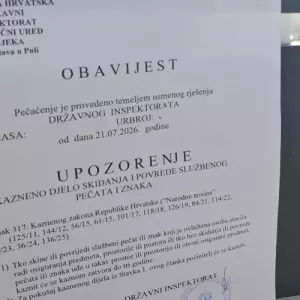
A special emphasis of this year's activities, based on analyzes and risk assessments, was on the detection of unregistered provision of catering services in households. In that part, the tourist inspection conducted 2.325 supervision, and in 199 cases found unregistered provision of accommodation services and/or advertising of unregistered accommodation.
146 administrative measures were issued prohibiting the unregistered provision of household accommodation services and/or their advertising. The measures covered residents and non-residents, among whom were citizens of Slovenia, Slovakia, Austria, Germany, Hungary, Poland, the Czech Republic, the United Arab Emirates, Belgium and Bosnia and Herzegovina.
89 decisions were issued to prohibit the unregistered provision of services, with the sealing of the facilities until the irregularities are eliminated or the necessary approval is obtained, and for at least 30 days. These decisions include 24 holiday homes, 71 apartments, seven rooms, three campsites in households, one campsite on a family farm and one hostel.
Prohibitions were imposed on both legal and physical persons who provided accommodation without the necessary decision of the Ministry of Tourism and Sports, or the competent administrative body. They included seven camps in total 304 mobile homes, seven glamping tents and 108 camping pitches, as well as a boutique hotel, 19 apartments and 24 rooms. In total, the provision of accommodation services in 11 illegal camps is prohibited.
In proceedings related to unregistered accommodation, 74 indictments were filed and 125 misdemeanor warrants were issued. The fines imposed totaled 186.430,39 euros, while the State Inspectorate states that the illegally acquired material gain was determined and confiscated in excess of 506.345,34 euros.
The Inspectorate says that the shadow economy and unfair competition are negatively affecting the Croatian economy and that they will continue activities aimed at combating illegal business.