Tourism management is not a political process, but a business process.

... it's not a question of party colors, but of management.

photo: hrturizam

Author  Goran Rihelj

16. August 2025.

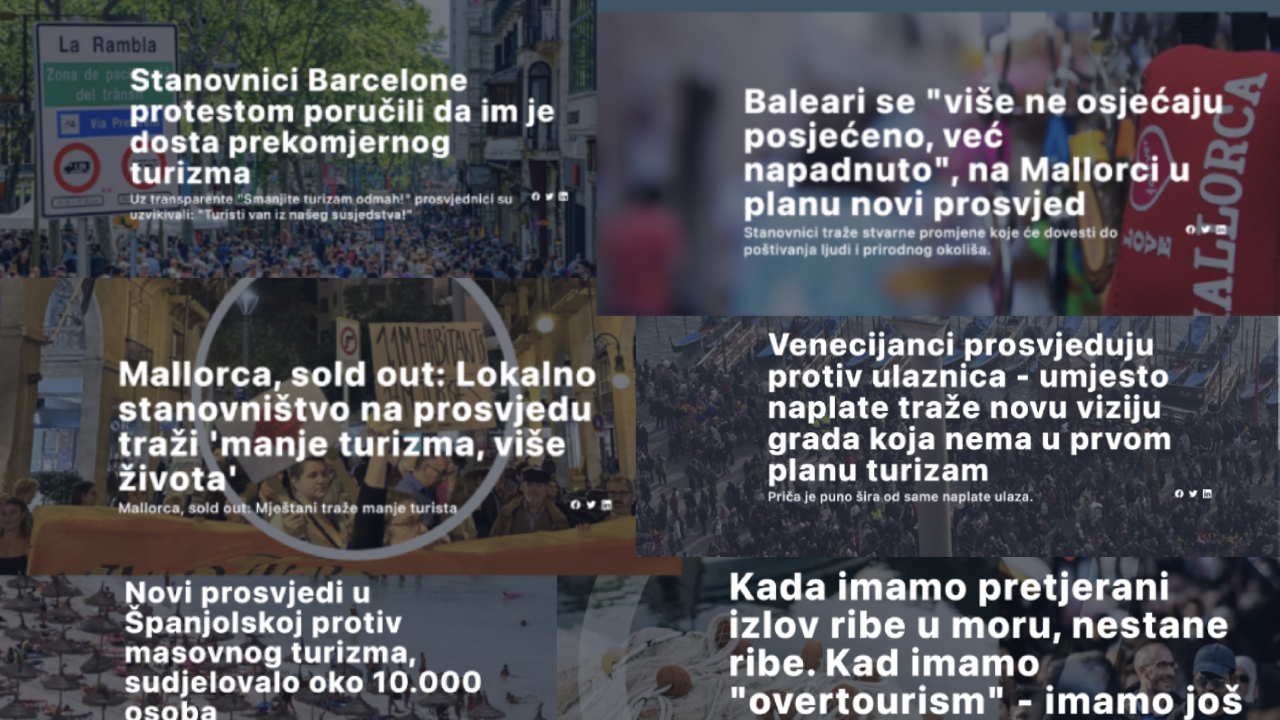
Tourism can no longer be driven by spontaneous growth.

The destination has long since crossed that line, and now they are feeling the problems that have been swept under the carpet for too long. 

As I keep emphasizing, managing tourism development (which is the job of the city or destination itself) and finding the best balance between tourism development and the quality of life of the local population are two major challenges.  

Also, it is important to emphasize and understand. Tourism management is not a political process, although it is implemented through political structures. It's a business process.. One that requires planning, strategy, resource management and clear implementation mechanisms.

If we look at the development of a destination purely politically, then the cycle lasts four years and changes with each new mandate. In practice, even less, because the first year is a year of rearrangement, and the tasks are preparations for new elections. If we look at it from a business perspective, the cycle lasts 10 to 15 years, has continuity, clear goals and direction. That is the difference between short-term patching and a long-term vision of development.

If tourism is managed only in the short term, by filling the budget or selling as many beds as possible, the question arises: where is the local community in this formula and what is the meaning of tourism? And for whom? 

Tourism is not a matter of party colors, but of management.

Tourism must be run as a serious business, in fact there is a whole mess and much more complex because income is not the only KPI and has many more dimensions and elements: space, local economy, social services, environment, transport, culture, security, infrastructure. And while every company has KPIs, teams and investment plans, a destination must have all that plus mechanisms to preserve the life of the community and the identity of the space, infrastructure, public spaces...

That is why it is necessary to establish professional, business and strategic tourism management, with long-term and clearly defined goals and the inclusion of all stakeholders. Because a destination is much more than a bed.

This is the only way for tourism to be sustainable, meaningful and beneficial, both for guests, hosts and citizens.

Tourism Management: Guidelines and Solutions from Global Practice
766a3448 2st

Management by the city / destination and the synergy of everyone in the destination when making decisions, it is one of the first and key elements. You have to know which direction you are going, what are the strategies and frameworks for tourism development. We are all destinations and we all depend on each other. If there is no plan and we don't know where we are going, we don't communicate and we are not coordinated, nor can we reach our goal. because there is no goal and no plan, only the elements. 

A collective approach to destination management (public and private sectors) starts with the creation of interdisciplinary platforms that bring the right people to the table. This means establishing multi-sector destination management bodies that include representatives from the public sector, the private sector including SMEs, local communities and environmental stakeholders. Such a model of shared governance enables decision-making that simultaneously considers economic, social and environmental interests.

It is crucial that such platforms are financially sustainable, politically supported, based on scientific evidence, and validated by both the business community and the local population. Only in this way can they gain legitimacy and ensure the effectiveness of decision-making.

One of the positive examples of how destinations can transform tourism into a sustainable and inclusive model comes from Flanders. The initiative Travel to Tomorrow launched by VisitFlanders brought together a range of stakeholders, from local authorities and the tourism sector to civil society, with the aim of creating a new type of tourism that brings value to the entire community. The focus was not solely on increasing arrivals, but on ensuring that the benefits of tourism were also felt by residents, the economy and the cultural sector.

A similar approach has been developed by the Vienna Tourist Board, which through Vienna Visitor Economy Strategy - Optimum Tourismactively cooperates with the public and private sectors, but also with the residents themselves. It is precisely the involvement of citizens in the process of shaping the tourism strategy that has proven to be crucial for building trust and accepting tourism as a part of everyday life. Vienna is thus positioning itself not only as an attractive destination, but also as a city that leads by example in balancing the interests of visitors and locals.

Barcelona, ​​on the other hand, has developed the Turisme de Barcelona consortium, which functions as a public-private partnership and bases its operations on the principles of sustainable development.

The goal is clear: to build a dynamic, responsible and sustainable destination where both residents and guests will be able to live and stay in quality. With this, Barcelona moved from a model in which tourism was perceived as a threat to a model in which tourism can become a tool for improving the quality of life in the community.

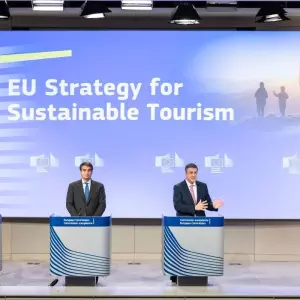
The second is a key step in the sustainable management of destinations making a clear plan or shared visions and implementable strategies.

Destination management bodies must be tasked with, in collaboration with local residents, shaping a development vision that includes the diverse interests of all stakeholders. Such a plan must not be just a formal document, but a framework that will guide sustainable development and ensure that tourism is a driver not only of economic but also of social progress.

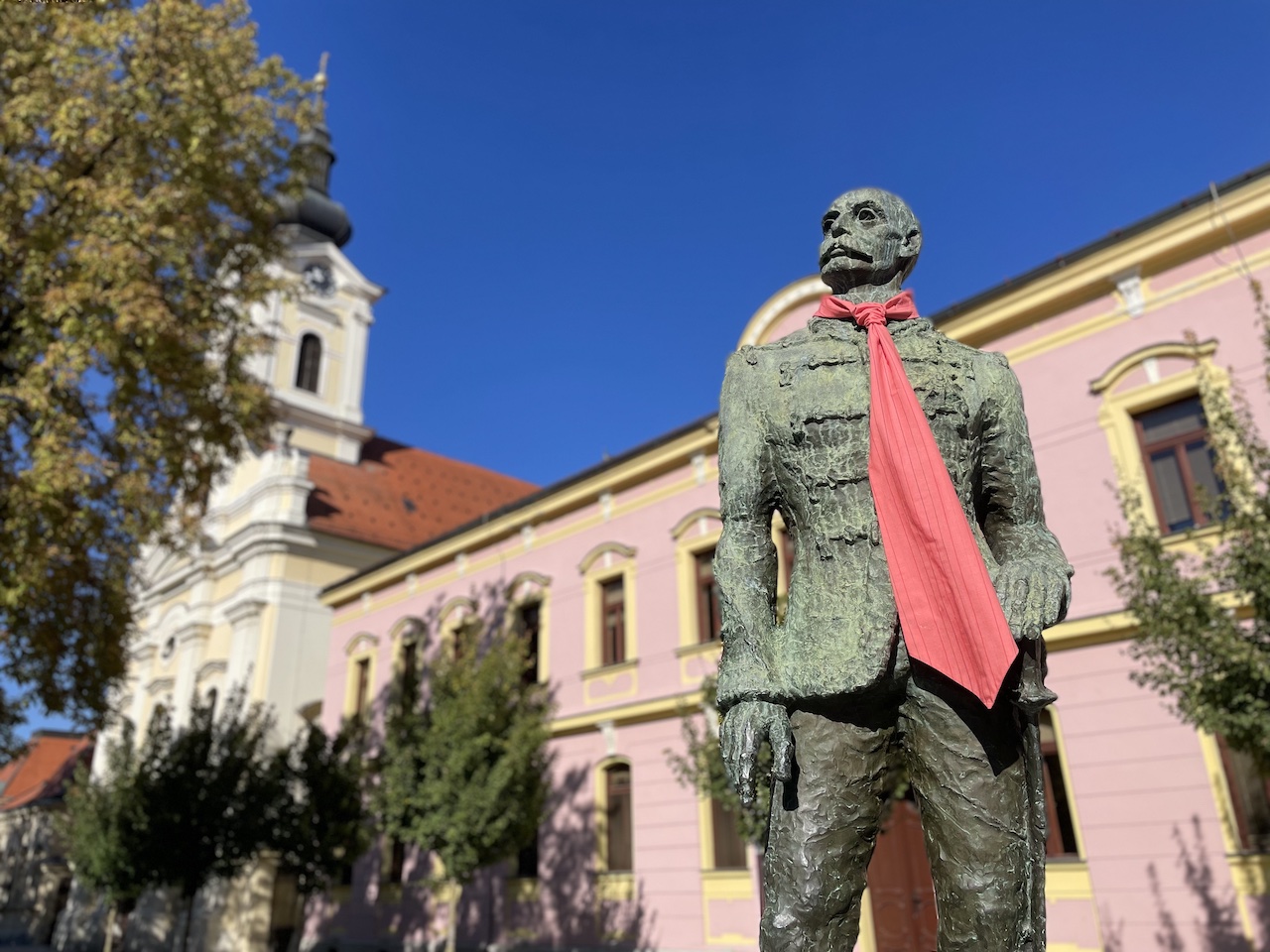
New project 105

It is important to recognize the strategic importance of tourism and incorporate this vision into national and local development plans, thus making tourism a key economic and social factor.

Examples from Europe show how it works in practice. Copenhagen is through strategy "The End of Tourism As We Know It" made a turn towards the concept “locality for everyone”, in which the vision of the future of the destination is jointly created by residents, visitors and industry. This approach has been further developed in their latest strategy “All Inclusive”.

In Ireland, Fáilte Ireland is developing Destination Experience Development Plans to encourage the development of tourism experiences in less visited locations and thus more evenly distribute the economic and social benefits of tourism. Athens, through its Destination Development and Management Agency, has launched an online guide with walking routes connecting museums and monuments, helping visitors explore the city beyond the usual attractions like the Acropolis.

These examples show how the vision and plan, when created inclusively and strategically, become a tool for transforming tourism in the direction of sustainability, balance and long-term contribution to the community.

the third is a key step in destination management evidence collection i using local data to diagnose the main challenges and develop appropriate measures.

Tourism management must be based on facts, not assumptions, and it is crucial that destination management authorities have the mandate and capacity to identify the causes of problems, such as excessive visitor numbers, and lead targeted interventions.

Practical examples demonstrate the power of this approach. Benidorm on the Mediterranean coast of Spain, for example, recognized that the large number of visitors was putting increasing pressure on already limited water supplies. The result was the development of a water management model that now operates with an impressive 95% efficiency. Dubrovnik, in partnership with CLIA, the umbrella organization of the cruise industry, conducted an analysis of the benefits of tourism and sustainability priorities for the local community.

Based on this data, a memorandum of understanding was signed, agreeing on measures to better manage visitor flows and involve residents more in decision-making. On the other hand, the Evaneos platform has developed its own destination congestion index, which assesses impacts and provides recommendations for reducing pressure. As a result, the platform has stopped offering short city breaks of less than five nights, thus actively contributing to reducing the problem of mass tourism.

These examples clearly show that without quality data there is no sustainable management. Only when destinations get a clear picture of the real challenges, can they create responses that not only protect the local community and the environment, but also raise the quality of the experience for visitors.

Fourth the key step in the sustainable management of destinations is development evaluation and measurement systems.

Img 1476

Without continuous measurement and transparent communication of tourism impacts, destinations risk escalating their problems before they can find solutions. Economic, social and environmental indicators need to be systematically monitored, including the views of local populations, and special attention should be paid to developing early warning indicators for peak tourist periods. This allows for timely preparation and adaptation, rather than late reactions.

The city of Florence uses IoT technology to monitor and control tourist flows, allowing for timely interventions in visitor traffic. Venice, on the other hand, uses sensors, cameras, and mobile device signals, which are analyzed in real time in a control room. This way, city authorities can react in a timely manner to crowds and better direct the movement of visitors.

Such systems are not a luxury, but a necessity in destinations with pronounced seasonal and spatial pressures. Timely recognition of problems and rapid response can be the difference between sustainable development and complete loss of control over the destination.

Peti the segment is management of tourism revenues.

One of the most important levers for the sustainable development of destinations is the smart management of the income generated by tourism. Tourism brings a significant fiscal and GDP contribution, but the key question is where and how this money is returned or reinvested in the destinations themselves. Reinvestment of profits and tax revenues must be transparent, strategically oriented and connected to the vision and strategy of the destination.

This means that funds from residence fees, taxes or special tourist fees should be clearly intended for the preservation and improvement of the destination: from the development of infrastructure and diversification of attractions, to investments in projects that raise the quality of life of the local community. Transparent monitoring and reporting to the public about collected and invested funds is essential for the trust of residents and the credibility of the tourism sector.

The Balearic Islands use the revenue from their so-called “sustainability tourism tax” for environmental projects, encouraging responsible tourism and a more even distribution of visits throughout the season. Iceland invests the revenue from the incoming fee in the conservation of natural resources, balancing tourism growth with necessary environmental protection. Airbnb, through its Heritage Project works with local communities and organizations and awards grants for the restoration of cultural sites. To date, more than 200 heritage preservation projects have been funded across Europe.

Smart investment is not just a financial issue, but also a strategic one. When it is clear that tourism revenue serves local community development and heritage preservation, tourism becomes a sustainable system in which benefits are shared by both residents and visitors. This is the only way for destinations to maintain their appeal and resilience in the long term.

For the "end", as the sixth segment, the future of tourism depends on support of the local community.

New project 60

If residents do not see the benefits of tourism or feel excluded from the decision-making process, resistance to guests becomes inevitable. This is precisely why the empowerment of the local community must be the basis of modern destination management.

Since three primary key dimensions: Residents need to to feel proud of the place they live in and to be ponsonian. This is achieved by encouraging tourism experiences, content and entrepreneurship that reflect the unique character of the community and local environment. When tourism promotes local identity, a sense of belonging and pride among residents also grows.

Socio-economic development refers to the fact that the local community must clearly see and understand the benefits of tourism. This includes creating inclusive jobs, investing in infrastructure that benefits both visitors and residents, and integrating small and medium-sized enterprises into the tourism value chain. In this way, tourism does not remain an abstract industry, but a source of concrete benefits for the community.

Political development means involving residents in decision-making and strategic planning. From informal consultations and satisfaction surveys, to the establishment of councils or advisory groups with the right to vote - residents should have a real influence on the management of tourism in their environment.

Examples from the world clearly show the value of this approach. VisitScotland has actively engaged residents in discussions about the role and impact of tourism on their communities. Revelstoke, British Columbia, conducted a series of public engagements to help citizens shape the future of tourism in their city.

Barcelona is developing a new promotion strategy “This is Barcelona” which specifically attracts visitors whose values ​​and lifestyle match the interests of the local population, with a strong emphasis on local restaurants and businesses.

The travel agency Intrepid Travel has gone one step further and in communities that often suffer the pressure of one-day visits, they have decided to sell packages with at least one night, offering guests a deeper experience and leaving a concrete benefit to the local economy.

The message is clear: tourism can survive and grow in the long term only if residents see their interest in it and feel that they are the ones who manage its development. Without this support, there is no sustainable tourism or sense. 

The lesson is clear: Sustainability is not an option, but a prerequisite for survival.

If destinations want to keep tourism as a source of development, not a problem, they must take concrete steps immediately: establish reinvestment funds, control visitor numbers, introduce mandatory transparency, involve local communities in decision-making, and have crisis plans ready.

Destinations that do not take these steps will face loss of citizen trust, resource degradation and loss of competitiveness. Those that do will achieve a long-term sustainable tourism model that creates value for all stakeholders: tourists, citizens, the economy and the environment.

Iceland, the Balearic Islands, Amsterdam, Venice, Scotland, New Zealand, Barcelona, ​​Italy and Thailand are already showing the way. Croatian destination practice must now decide whether it wants to follow that path or whether it will continue to passively watch tourism grow unchecked. Because if we do not manage tourism, it will manage us, and that is a luxury we can no longer afford.

And don't forget, nothing is ideal or perfect, but it is important to actively and structurally deal with all these challenges and problems. Every destination is different, from culture and lifestyle, geography and infrastructure, location... there is no single or copy/past solution. 

PS These are the WTTC guidelines in the Destination Stewardship: Call to Action document. If you think that what I say and write has no value and that I don't know what I'm talking about. And I've been talking about these processes for 10 years. 

Thank you for your attention. Goran Rihelj. 

Author  Goran Rihelj

16. August 2025.