A press trip is not a tourist tour: How to translate a local story to the international market

Study tours or press trips for international or domestic journalists have been one of the standard tools of tourism boards for decades. But between organ...

Author  HrTurizam.hr

8. September 2026.

Study tours or press trips for international or domestic journalists have been a standard tool for tourism boards for decades. However, there is a big difference between an organized tour of a destination and a serious tool for international positioning.

It is not crucial how many locations a journalist will see in two days, how many wines they will taste or restaurants they will visit. The key question is a much simpler one: What will they be able to tell their audience after returning home?

It is from this perspective that the latest study trip that the Zagreb County Tourist Board, in cooperation with the Croatian Tourist Board, organized for representatives of international media from Germany, the United Kingdom, Italy, the Netherlands, the Czech Republic, Norway, Sweden and the United States of AmericaThe aim of the program was to present the destination through people, tradition, local products and experiences which reveal the character of the area, from the wine stories of Plešivica to the gastronomy and natural heritage of Turopolje.

And this is where a more important story than the press trip itself begins.

Zagreb County has a number of individual tourism resources and products, but their real value on the international market only arises when they are connected in a clear and recognizable destination experience. Not as a series of individually excellent stories, however good they may be, but as rounded tourist productThe market must understand why you should come to the destination precisely for that date.

This is one of the fundamental differences between the tourist offer and destination product.
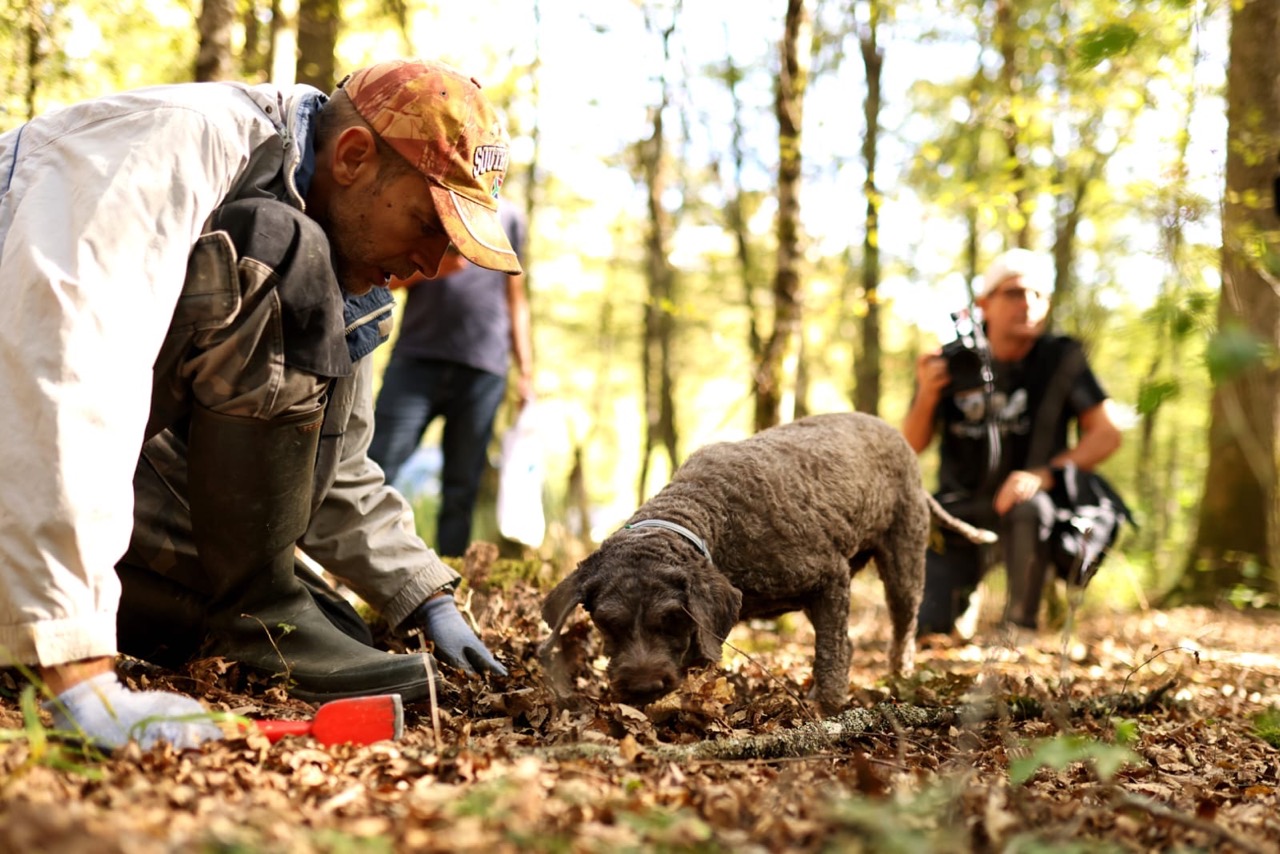
Tzzz truffle hunting large

A winery, a restaurant, a forest, a truffle, a distillery or a local variety of wine can each be quality products in their own right. However, only when the destination manages to connect them through a common identity, interpretation and experience of the guest, they start to create a wider market value.

This very logic was visible in the study tour program.

Na Plešivici are international journalists through a visit Korak Winery and Restaurant We got to know the blend of contemporary gastronomy, local ingredients and wine-growing tradition. But more interesting than the tasting itself is the context that is built around the product: generational knowledge, family work, landscape and relationship to the space. Wine is thus presented not only as a product, but as part of the identity of the place.

"The international visibility of a destination is built through authentic experiences and stories that remain remembered. Zagreb County finds its strength in the special features that arise from our identity, wine-growing tradition, local producers, gastronomy and people who create value. This study trip was an opportunity for journalists from different broadcasting markets to get to know our destination first-hand and convey its stories to an international audience.", she pointed out Ivana Alilović, director of the Zagreb County Tourist Board. 

That statement actually describes well what the function of such activities should be. A press trip is not just a promotion, but a kind of one translating the destination into the language of the market.

The destination has its own resources, local people, traditions and products, but the journalist needs to be offered a context from which to create a story relevant to his audience. That's why a good program is not necessarily the one with the most locations, but the one in which it exists a clear signature of the destination and, crucially, the interconnectedness of the contents.

After Plešivica, the program continued in Turopolje, where participants in Turopoljski lug took part in a hunt for turopolje truffles. Yes, although we associate truffles only with Istria, they also grow in the forests of Turopolje. In fact, they can be found in restaurants in the Zagreb County. And this example shows well how tourist value is created through interpretation.

The forest is a natural resource. The truffle is a food. The truffle hunter and the specially trained dog are part of the local knowledge. Only when the guest can participate in the entire process, do we get a tourist experience that connects nature, gastronomy, local people and the story of the place. 

This is exactly the level of product that is difficult to copy.

Distillery Brigljevic 2 large

Destinations may have similar hotels, restaurants, wellness facilities or cycling routes. What is much more difficult to replicate are the local context, people, knowledge and identity of a place. That is why such elements become especially important at a time when more and more destinations in the market compete with very similar infrastructure and very similar marketing messages.

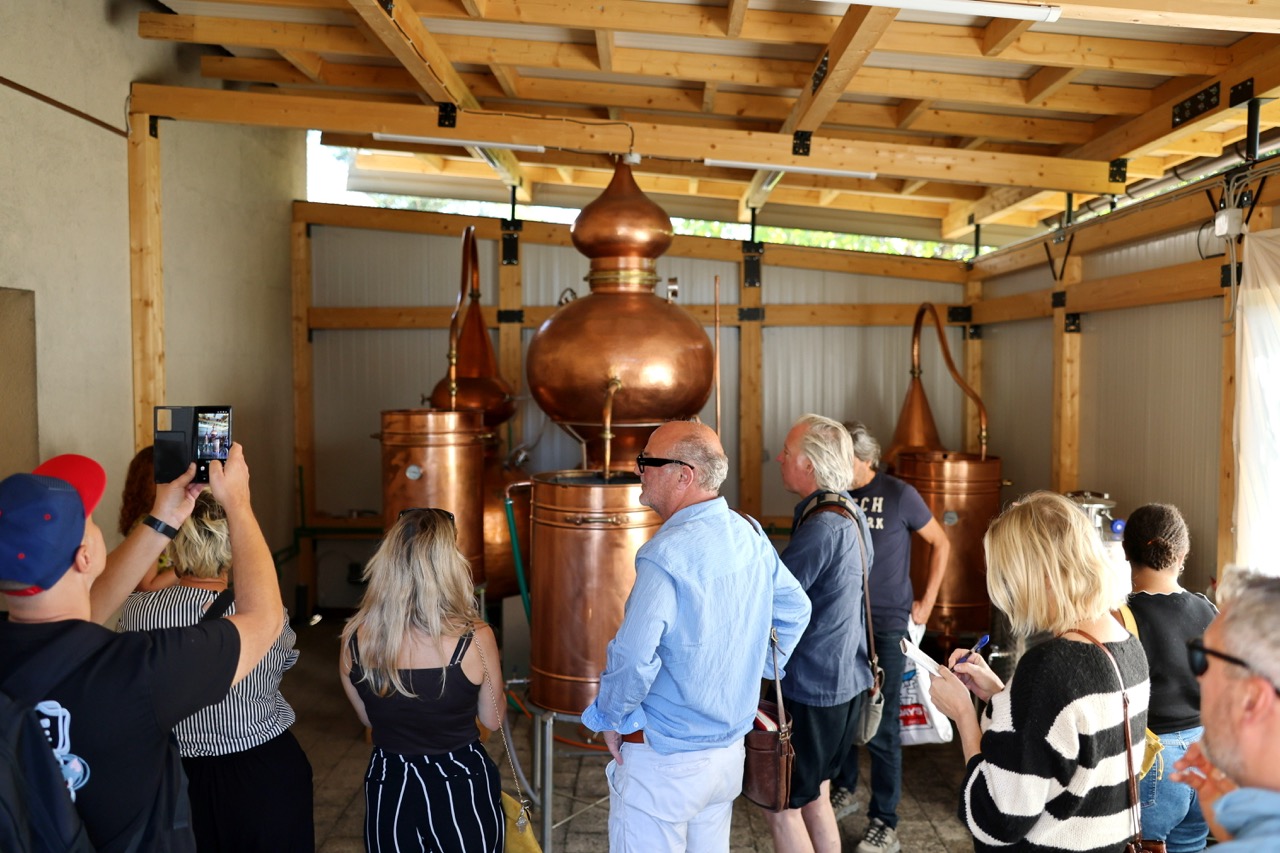
The same logic continued throughout the story. Brigljević Distilleries, family-run boutique craft distillery that combines traditional production with a contemporary approach. Through tastings of gin, liqueurs, brandies and whiskey, journalists learned not only about the products, but also about the family knowledge and process behind them. 

One of the participants' comments perhaps best sums up the whole approach: "What makes a destination special is not just the places you visit, but the people behind them. It is through their stories that a place gains its character and value." 

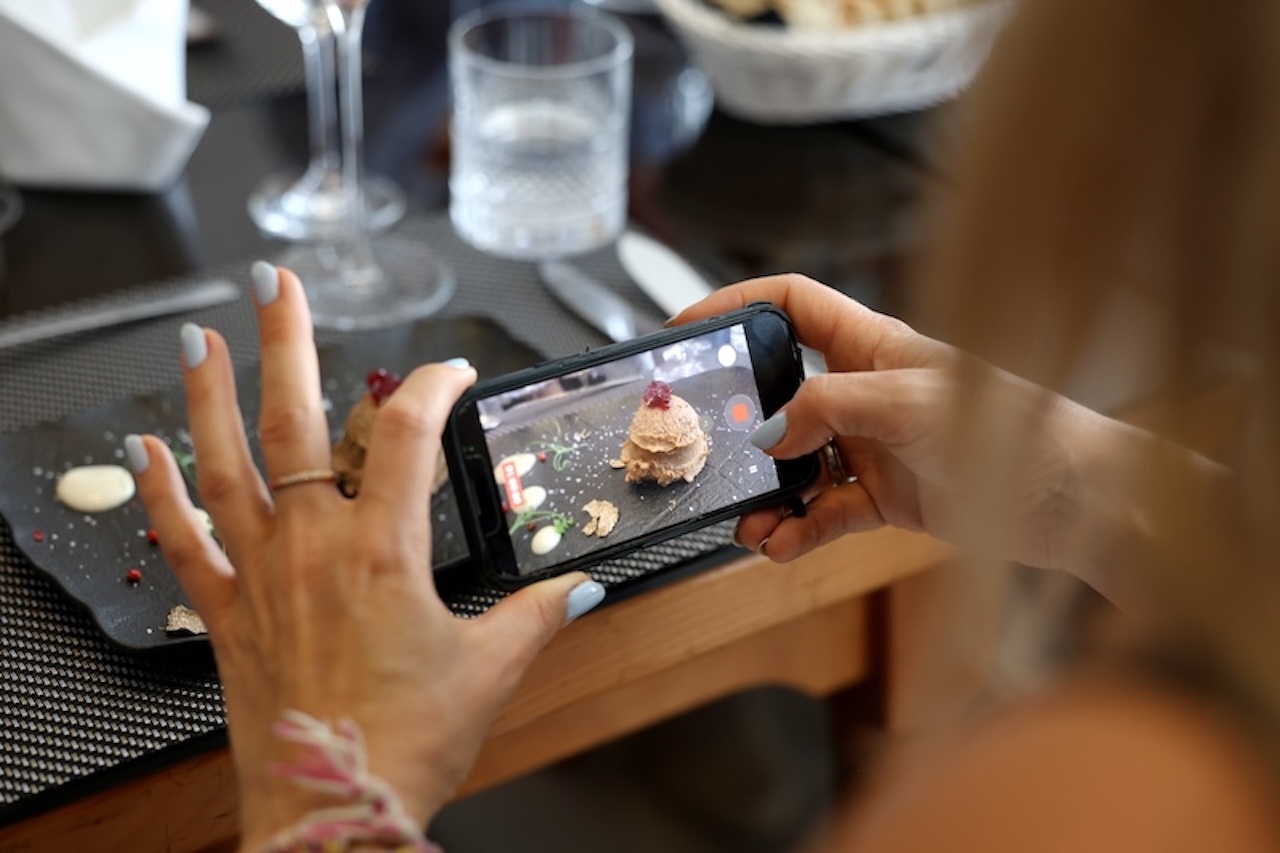
The program continued with a gastronomic experience at the Mon Ami restaurant in Velika Gorica, again combining local cuisine and Turopolje truffles, while the Visitor Center presented the cultural and historical heritage of Velika Gorica and the InterWine project, aimed at the development of wine tourism and valorization. Turopolje's škrel as an element of Turopolje's identity.

When all of the above is viewed as a whole, it becomes clear that the real value of the program is not in each individual point of the itinerary, but in their connection. And this is precisely one of the key tasks. destination management.

Croatian tourism has an exceptionally large number of good individual stories. The problem is that we too often look at them separately. A winemaker promotes wine, a restaurant promotes gastronomy, a producer promotes their product, a tourist board promotes a destination, and each stakeholder communicates from their own perspective.

The guest, however, does not see the sectors. He is interested in the overall experience of the destination.

That's why the question is no longer whether we have a quality winemaker, a restaurant, a local producer or a natural attraction. It is much more important whether we can link them into a sufficiently strong motive for arrival, i.e. a clearly defined tourist product. 

This is precisely where press trips can have much greater value than classic PR. Their purpose is not just to achieve media coverage, but to enable the journalist to experience the destination, understand its context and find a story within it that can be relevant to his audience.

If after two days of the program it can be clearly explained why the space is special, who might find it interesting, and what kind of experience can be had there, then the destination has a good starting point. 

My friend 2

Therefore, the long-term success of such a study tour should not be measured solely by the number of journalists, publications or their media reach. These are important communication KPIs, but the real breakthrough occurs when international promotion begins to support a clearly defined positioning of the destination and when the same stories can be further transformed into concrete tourism products, itineraries and motives for arrival.

Zagreb County, through Plešivica, Turopolje, wineries, truffles, local gastronomy, distilleries and indigenous products, definitely has the material from which such a story can be built. And it is already doing so, connecting local producers, gastronomy, heritage and experiences into an increasingly clear destination identity.

The next step is therefore not necessarily to look for more new content, but to connect what already exists even more clearly and to create rounded and recognizable tourist products from a few of the strongest storiesA destination cannot, nor should it, push all of its potential towards the market at the same time. It first needs to build a few strong motivations for arrival, give them continuity and market visibility, and only then spread the story around them, develop new segments, and gradually include other local products, experiences, and stakeholders.

The point is to first build a few clear and recognizable reasons for coming and position yourself, and then expand your offer around them and include new stories.

Photo: Zagreb County Tourist Board

Author  HrTurizam.hr

8. September 2026.